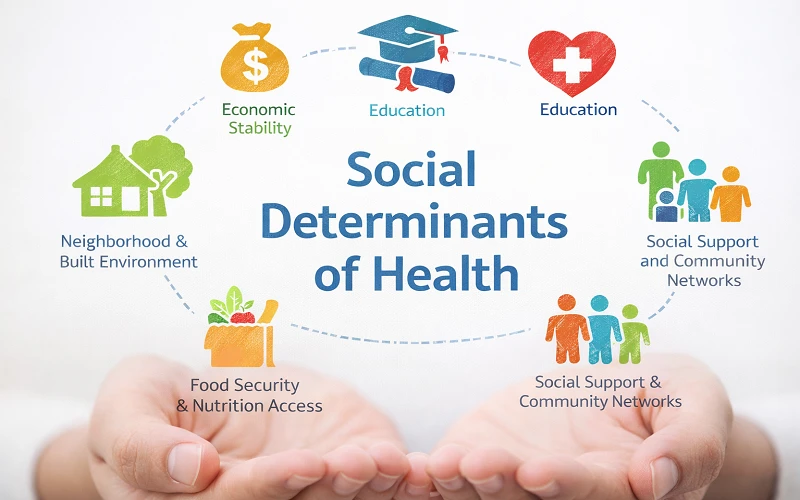
Health does not depend only on biology or medical care. Daily living conditions shape outcomes in powerful ways. Social determinants of health describe how income, education, housing, and environment influence well-being. These factors affect how people access care, manage stress, and maintain healthy lifestyles. Communities with limited resources often face higher risks and poorer outcomes. Understanding these influences helps individuals and professionals respond more effectively.
It also supports better policy decisions and stronger healthcare systems. This article explores key determinants and shows how they interact. A clear understanding creates a path toward fairer, healthier societies for everyone involved.
1. Economic Stability and Health Outcomes
Economic stability directly shapes health choices and long-term outcomes. Individuals with steady income can afford nutritious food, safe housing, and quality healthcare services. Financial stress, on the other hand, increases anxiety and limits access to preventive care. People facing unemployment often delay treatment or skip medications.
This pattern leads to worsening conditions over time. Communities with higher poverty rates also experience reduced healthcare infrastructure. Economic opportunity strengthens resilience and promotes healthier behaviors. When people feel secure, they invest more in their well-being. Strong financial foundations support both physical health and mental stability across different life stages.
2. Education as a Health Determinant
Education influences how individuals understand health information and make informed decisions. Higher education levels often lead to better employment and improved living conditions. Many professionals pursue advanced learning, including programs like a master’s in health science online, to deepen their understanding of public health systems.
Southeastern Oklahoma State University offers a flexible program that builds skills in healthcare leadership, research, and community health improvement. This kind of training prepares individuals to address real-world challenges.
Education empowers people to adopt healthier habits, communicate effectively with providers, and advocate for their needs within complex healthcare environments.
3. Access to Quality Healthcare Services
Access to healthcare plays a central role in maintaining good health. Individuals need timely services, skilled professionals, and affordable treatment options. Many communities struggle with limited clinics, long travel distances, or high costs. These barriers discourage preventive care and early diagnosis. When access improves, people receive vaccinations, screenings, and consistent treatment. Healthcare systems must also ensure cultural understanding and clear communication.
Trust between patients and providers encourages better outcomes. Reliable access reduces emergency visits and improves long-term health management. Strong healthcare networks support individuals at every stage of life and contribute to healthier populations overall.
4. Neighborhood and Built Environment
The environment where people live shapes daily health behaviors. Safe neighborhoods encourage physical activity and outdoor interaction. Clean air, green spaces, and reliable transportation improve quality of life. In contrast, areas with pollution, overcrowding, or unsafe conditions increase health risks. Poor infrastructure limits access to grocery stores, schools, and healthcare facilities. Urban planning plays a key role in promoting healthier communities.
Well-designed spaces support walking, social connection, and mental well-being. Communities that invest in safe housing and public resources create environments where residents can thrive. A supportive neighborhood strengthens both physical and emotional health outcomes.
5. Social Support and Community Networks
Strong social connections improve overall well-being and resilience. Friends, family, and community groups provide emotional support and practical assistance during difficult times. People with reliable support systems often manage stress more effectively and recover faster from illness. Isolation, however, increases the risk of depression and chronic conditions.
Community engagement fosters a sense of belonging and shared responsibility. Support networks also encourage healthy behaviors through shared activities and encouragement. Building strong relationships strengthens both individual and community health. Social ties act as protective factors that help people navigate challenges and maintain a positive outlook on life.
6. Food Security and Nutrition Access
Access to nutritious food remains essential for good health. Individuals need consistent availability of fresh, balanced meals to maintain energy and prevent disease. Food insecurity forces people to rely on low-cost, processed options that lack essential nutrients. This pattern contributes to obesity, diabetes, and heart disease.
Communities with limited grocery stores face additional challenges. Local initiatives, such as farmers’ markets and food programs, improve access and awareness. Education about nutrition also plays a critical role. When people understand healthy choices and have access to quality food, they build stronger foundations for long-term health and overall well-being.
Final Guide
Social determinants of health shape outcomes in ways that extend far beyond medical care. Economic stability, education, environment, and community connections all influence well-being. These factors interact and create complex patterns that affect individuals and populations. Understanding these relationships helps professionals design better interventions and policies.
It also encourages individuals to recognize the broader influences on their health. Addressing these determinants requires collaboration across sectors, including healthcare, education, and government. When communities invest in these areas, they create stronger, healthier environments.
A comprehensive approach ensures that everyone has the opportunity to live a healthier and more balanced life.