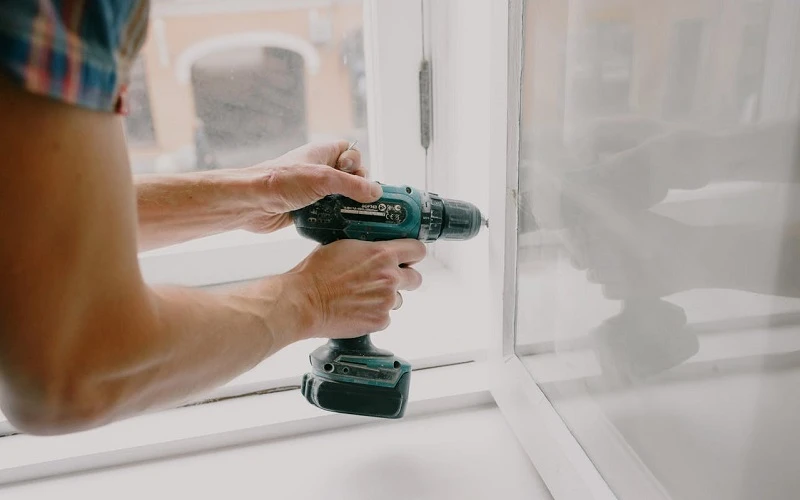
Have you ever ignored a tiny water stain or a faint crack in the wall because life felt too busy? Most people do. In a time when grocery bills rise faster than paychecks, and homeowners’ insurance keeps getting pricier across the U.S., small home problems often slide to the bottom of the list.
The irony is brutal: the little issues people postpone are usually the ones that drain the most money later. A loose shingle today can quietly become a five-figure disaster after one hard storm season.
The Leak That Pretends to Be Harmless
A small drip under the sink rarely feels urgent because it usually arrives without drama. There is no explosion, no flood, and no cinematic moment where someone screams for towels. Yet slow leaks destroy homes with patience. Water seeps into wood, softens drywall, and invites mold into hidden spaces where repair costs grow quietly for months.
Recent weather swings across the country have made moisture problems worse. Heavy rainstorms now hit areas that once had predictable seasons, which means older homes face stress they were never built to handle. A homeowner may spend $20 on a pipe washer today or spend $12,000 replacing flooring, cabinets, and insulation next spring. Delaying repairs has become one of the most expensive forms of optimism in America.
Tiny Creatures With Giant Repair Bills
Many homeowners notice a few ants near a window and assume it is just part of summer. Then comes the uncomfortable discovery that insects are not random visitors. They are often early warning signs that moisture, cracks, or rotting wood already exist behind the walls. That is why experienced contractors often mention pest control during inspections before discussing cosmetic fixes.
Termites alone cause billions in property damage every year in the United States, and insurance usually does not cover it. The cruel part is how ordinary the warning signs look. A hollow baseboard or bubbling paint seems minor until a contractor pulls back drywall and finds structural damage. In an economy where many people already struggle with rising utility costs, hidden infestations can feel less like maintenance and more like financial sabotage.
Roof Problems Rarely Stay on the Roof
People often treat missing shingles like a future problem because the house still “looks fine” from the street. Roof damage, however, behaves like a slow betrayal. Water enters through tiny openings, creeps into attics, and weakens insulation before staining ceilings months later. By then, the repair bill has usually multiplied.
The timing makes these issues even more painful. Insurance companies in several states have tightened coverage after years of severe storms and wildfire claims. Some homeowners now face higher deductibles or stricter inspections before renewing policies. That means a neglected roof is no longer just a maintenance risk. It can also affect whether a family keeps affordable insurance coverage at all. A simple annual inspection now carries more financial value than many people realize.
Gutters Are More Important Than They Look
Gutters suffer from a public relations problem because nobody thinks about them until water pours over the sides during a storm. Leaves, dirt, and debris clog drainage paths slowly, which causes rainwater to collect near foundations instead of moving safely away from the house. The damage spreads quietly beneath the surface.
Foundation repair is one of the most feared phrases in homeownership because it often costs more than people expect. Cracks in walls, uneven floors, and sticking doors can all be traced back to poor drainage outside. Ironically, many homeowners spend thousands upgrading kitchens while ignoring gutters that need a simple cleaning. It is the housing version of buying expensive sneakers while skipping dentist appointments.
Electrical Issues Love to Hide
A flickering light seems annoying rather than dangerous, especially in older homes where residents become used to strange little quirks. Yet outdated wiring and overloaded circuits remain major fire risks across the country. As Americans fill homes with gaming systems, smart appliances, and electric vehicles, older electrical systems face demands they were never designed to handle.
This problem appears often in homes built before modern energy standards existed. Warm outlets, tripped breakers, and buzzing sounds deserve immediate attention because electrical repairs become dramatically more expensive after damage spreads through walls. Hiring a licensed electrician early usually costs far less than emergency repairs after a fire or major outage. Prevention may not feel exciting, but it beats explaining smoke damage to an insurance adjuster.
HVAC Neglect Gets Expensive Fast
Heating and cooling systems often receive attention only after they stop working during the worst possible weather. That timing feels almost personal. Air conditioners fail during heat waves, while furnaces seem to collapse on the coldest night of winter. Usually, the warning signs appeared months earlier through weak airflow, strange noises, or rising utility bills.
Energy costs remain a national frustration, and inefficient HVAC systems quietly drain money every month. Dirty filters and neglected maintenance force systems to work harder, shortening their lifespan while increasing electricity use. Replacing a failed unit can cost thousands, especially during peak demand seasons when contractors are overwhelmed. Routine servicing once sounded optional. Today, it looks more like basic financial survival.
Cracks in the Foundation Are Not Decorative
Hairline cracks in concrete often get dismissed because they appear common in many neighborhoods. While some are harmless, others signal shifting soil, water pressure, or structural movement beneath the home. The danger lies in assuming every crack belongs in the harmless category.
Climate patterns have complicated this issue in many states. Long drought periods dry out the soil, while sudden heavy rain causes rapid expansion. That cycle puts pressure on foundations and basement walls. Homeowners sometimes paint over cracks instead of investigating them, which resembles putting a bandage on a broken pipe. Early inspections matter because structural repairs become far more invasive once floors start sloping or walls begin separating from ceilings.
Wrap Up
Homeownership has always involved maintenance, but modern costs have changed the stakes. A generation already balancing inflation, expensive insurance, and rising repair labor now faces homes aging faster under unpredictable weather conditions. The biggest lesson is not that houses are fragile. It is that small warnings matter more than people think.
Most expensive disasters begin quietly, almost politely, before turning into financial emergencies. The squeaky pipe, the tiny crack, and the clogged gutter rarely announce themselves as future catastrophes. They simply wait for someone to keep postponing them.