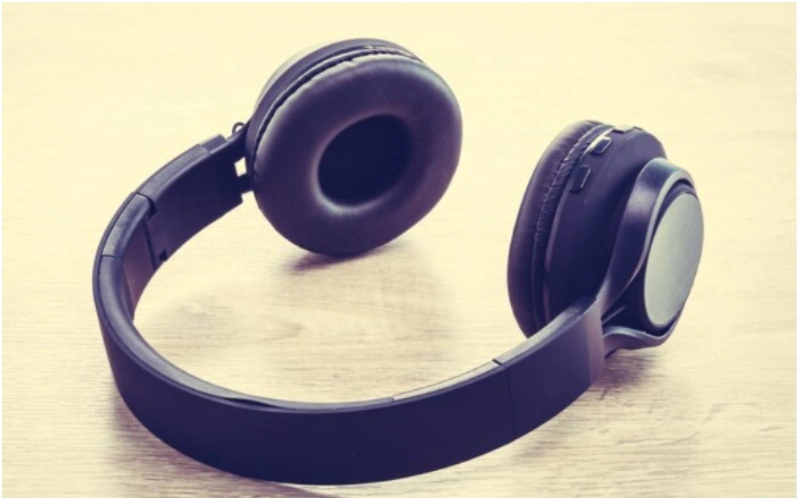
The Rise of Wireless Listening in a Connected Era
The way people experience sound has changed dramatically over the past two decades, and few innovations have influenced this shift as strongly as the Bluetooth headset. What once required tangled cables and stationary devices is now replaced by lightweight, wireless solutions that fit seamlessly into daily life. From commuting and working to exercising and relaxing, wireless audio has become an invisible companion that supports almost every modern routine.
This transformation did not happen overnight. It is the result of continuous refinement in wireless communication, battery efficiency, and audio engineering. The bluetooth headset, in particular, represents a milestone in personal audio because it merges convenience with performance in a way earlier technologies could not achieve. It is no longer just an accessory for music lovers; it has become an essential tool for communication, productivity, and entertainment.
From Early Wireless Concepts to Everyday Audio Convenience
The development of Bluetooth technology laid the foundation for the modern headset experience. In its early stages, wireless communication was limited and primarily focused on data transfer between devices. Audio transmission was not yet refined enough for consistent, high-quality listening.
As engineering improved, Bluetooth evolved into a reliable standard for short-range wireless communication. This progress made it possible to transmit audio signals with greater stability and less interference. Eventually, manufacturers began integrating this capability into compact headsets designed for everyday consumers rather than specialised industrial use.
What followed was a rapid shift in consumer behaviour. People who once relied on wired earphones began adopting wireless alternatives because they offered freedom of movement without sacrificing usability. Over time, the Bluetooth headset became a symbol of modern convenience, representing a lifestyle that values mobility and simplicity.
How Bluetooth Headsets Create Seamless Sound Experiences
At the core of a Bluetooth headset is a simple but powerful principle: wireless transmission of sound through radio frequency signals. The device pairs with smartphones, laptops, tablets, and other compatible electronics by establishing a secure digital connection. Once paired, audio is transmitted in real time from the source device to the headset without physical cables.
Inside the headset, small but advanced components work together to deliver sound. Microphone systems capture voice input, while miniature drivers convert digital signals into audible sound waves. A built-in battery powers these processes, allowing users to enjoy wireless audio for extended periods.
Modern Bluetooth headsets are designed to minimise delay and improve synchronisation. This means that audio remains closely aligned with visuals when watching videos or participating in virtual meetings. The goal is to create an experience where the user forgets they are using a separate device at all, achieving a seamless flow between sound and environment.
Modern Features That Elevate Everyday Listening
One of the most significant reasons Bluetooth headsets have become so widely adopted is the constant improvement in features. Noise cancellation technology is among the most influential advancements. It reduces or eliminates background noise, allowing users to focus on calls, music, or media without distraction. This is especially useful in crowded spaces, offices, or public transportation environments.
Battery performance has also improved significantly. Many modern headsets are capable of lasting an entire workday or more on a single charge. Some designs include portable charging cases, extending usage time even further without requiring direct access to power outlets.
Another important development is voice assistant integration. Users can interact with digital assistants through voice commands, allowing them to control music, send messages, or check information without touching their devices. This hands-free capability adds another layer of convenience, especially for multitasking situations.
Sound customisation has also become a defining feature. Many headsets now allow users to adjust equaliser settings or select predefined audio profiles depending on their preferences. Whether someone prefers deep bass for music or clearer vocals for calls, modern devices provide flexibility that enhances personal listening experiences.
The Role of Bluetooth Headsets in Work and Communication
In professional environments, Bluetooth headsets have become essential tools for communication. With remote work and virtual meetings now widely adopted, clear and reliable audio is critical. Headsets with high-quality microphones ensure that speech is transmitted clearly, reducing misunderstandings and improving collaboration.
Many professionals rely on these devices throughout their workday. They allow users to move freely while participating in calls, taking notes, or switching between tasks. This flexibility supports productivity in ways traditional wired headsets cannot match.
The ability to connect to multiple devices has also made Bluetooth headsets more practical in office settings. Users can switch between a laptop and a phone without manually reconnecting cables, streamlining workflow and reducing interruptions.
Lifestyle Integration and Everyday Practicality
Beyond professional use, Bluetooth headsets have become deeply integrated into personal lifestyles. They are commonly used during exercise, travel, and leisure activities. The absence of wires makes them particularly suitable for physical movement, allowing users to stay active without restriction.
In daily commuting scenarios, these headsets provide entertainment and communication convenience. Whether listening to podcasts, taking calls, or enjoying music, users can stay connected without holding their devices. This freedom has reshaped how people interact with digital content on the move.
Design also plays a role in lifestyle adoption. Many headsets are created with a focus on aesthetics as well as function. Sleek, minimalist designs make them suitable not only as tech devices but also as personal style accessories. This combination of practicality and appearance has contributed to their widespread popularity.
Challenges in Wireless Audio Technology
Despite their advantages, Bluetooth headsets are not without limitations. One of the most commonly discussed issues is latency, where slight delays can occur between audio and visual content. While modern codecs have reduced this problem significantly, it can still affect certain applications, such as competitive gaming.
Connectivity stability can also vary depending on the environment. Interference from other wireless devices or physical obstacles may occasionally disrupt the signal. Although these interruptions are generally brief, they highlight the ongoing need for technological refinement.
Battery dependency is another consideration. Since Bluetooth headsets rely on internal power sources, they require regular charging. Forgetting to recharge the device can lead to inconvenience, especially during travel or long work sessions.
Security is also an important factor. While modern pairing systems are generally secure, wireless communication always carries a level of vulnerability in crowded digital environments. Manufacturers continue to strengthen encryption and connection protocols to address these concerns.
Environmental Awareness and Sustainable Innovation
As technology advances, environmental responsibility has become a growing focus within the audio industry. Many manufacturers are now incorporating recycled materials into headset production and reducing reliance on non-renewable resources.
Energy efficiency has also improved. Modern Bluetooth headsets consume less power while delivering better performance, extending battery life, and reducing environmental impact. Some companies are even redesigning packaging to minimise waste and promote sustainability.
This shift reflects a broader trend in consumer electronics, where performance is no longer the only priority. Environmental impact is becoming an important factor in product design and purchasing decisions.
The Future of Bluetooth Audio and Smart Listening
The future of Bluetooth headsets is closely tied to advancements in artificial intelligence, connectivity, and immersive technologies. AI-driven audio optimisation is expected to become more common, allowing devices to automatically adjust sound settings based on environment and user behaviour.
Improvements in battery technology may also lead to longer usage times and faster charging capabilities. This would further reduce one of the remaining limitations of wireless audio devices.
Integration with augmented reality and virtual reality systems is another emerging possibility. In such environments, spatial audio will play a crucial role in creating realistic and immersive experiences. Bluetooth headsets are expected to evolve alongside these technologies to support next-generation digital interactions.
Conclusion: A Technology That Redefined Everyday Sound
The Bluetooth headset has evolved far beyond its original purpose as a simple wireless communication tool. It now represents a convergence of mobility, technology, and lifestyle convenience. From professional communication to personal entertainment, it has reshaped how people experience audio in nearly every aspect of daily life.
As innovation continues, these devices will become even more intelligent, efficient, and integrated into digital ecosystems. What remains clear is that wireless audio is no longer a luxury or novelty. It is a fundamental part of modern living, and the Bluetooth headset sits firmly at the centre of that transformation.