Snacks have a way of falling in and out of fashion. One year it’s kale chips. Next, it’s something coated in tajín or labeled “ancient grain.” But pork rinds have been quietly hanging around, doing their thing, getting popular again without making a big show of it.
Walk into a gas station, a specialty grocer, or a keto-focused online shop, and you’ll find them sitting on shelves they didn’t occupy a decade ago. The packaging looks different now. The flavors got weirder. And the people buying them aren’t just the folks who grew up on chicharrones at a family party.
So what’s actually behind the resurgence?
A Snack That Keeps Up With How People Eat Now
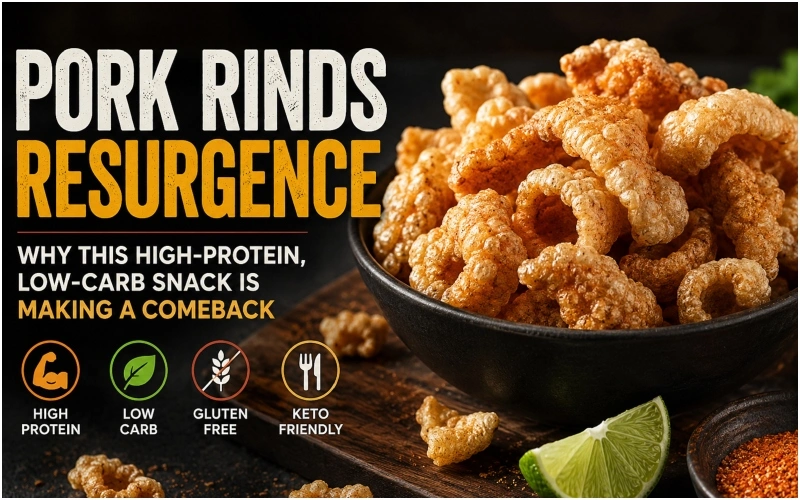
Many mainstream snack foods are carb-heavy. Chips, crackers, pretzels, and popcorn. Pork rinds skip that lane entirely. They’re carb-free and fat-and-protein heavy, and according to Healthline, pork rinds offer high protein with no carbs at all, which puts them in a different category from almost everything else in the chip aisle.
That matters for anyone trying to cut carbs without feeling deprived. Keto, paleo, Atkins, and low-carb because the doctor said so. Pork rinds slot in without much fuss. They’re also gluten-free by default, which keeps a whole other group of snackers happy.
The flavor lineup helped too. It’s not just salted anymore. Hot honey, chili lime, garlic parmesan, and sweet barbecue. If you haven’t checked out the variety on something like the PorkRinds.com snack selection lately, you’d be surprised at how far the flavor world has stretched.
Anyway, that’s part of why they’re back. The other part is protein.
Protein, Without the Workout Bro Vibes
People are protein-obsessed right now. Bars, shakes, jerky, and cottage cheese are making a comeback on TikTok. Pork rinds quietly fit into that conversation without trying to.
Depending on the serving size and brand, pork rinds can deliver around 8 to 17 grams of protein. WebMD has covered how the fat-and-protein heavy profile is a big reason these snacks landed with the low-carb crowd in the first place. Since they’re made from pork skin, they also contain collagen-derived protein, which has its own little fan club on social media for skin and joint reasons.
That said, they aren’t a magical health food. The sodium can be steep, and the saturated fat shows up too. Anyone watching their blood pressure should read the label. But as an occasional swap for chips, they make more nutritional sense than standard potato chips for people prioritizing low-carb or high-protein options.
The Cultural Side No One Talks About
Pork rinds aren’t a new American invention. Chicharrones have deep roots in Mexico, the Philippines, Colombia, Spain, and across the American South. The version sold at a Filipino sari-sari store looks different from the one at a Mexican carnicería, which looks different from what you’d find packaged in Texas.
That cultural mix is part of the appeal now. A snack that feels both familiar and a little international at the same time. You can crumble them over a salad in place of croutons. Dip them in guacamole. Use them as breading for fried chicken if you’re cutting out flour. Throw them in a soup at the last minute for crunchiness. They translate.
And people are noticing. Specialty brands have leaned into regional recipes instead of pretending pork rinds are a generic, flavorless vehicle for salt. That’s been good for the category.
Are They Actually Good for You?
Honest answer: it depends on what you compare them to.
Compared to potato chips, they’re lower in carbs, higher in protein, and free of seed oils in some cases. Compared to a handful of almonds, they’re more processed and saltier. They aren’t vegetables. No one’s pretending they are.
But if the choice is between a bag of cheese puffs and a bag of pork rinds, the rinds win on macros pretty consistently. Just keep an eye on:
- Sodium content, since some brands run high
- Added MSG or artificial flavors if you avoid those
- Portion size, because the calorie density is real
Buying from a brand that uses cleaner ingredients makes a difference. So does paying attention to the serving size on the back of the bag instead of treating the whole bag as one sitting. Which, let’s be honest, is hard.
So Who’s Actually Buying All These Pork Rinds?
Pork rinds aren’t a fad. They’ve been around for centuries. What’s changed is how they’re being marketed and who’s reaching for them.
You’ve got the keto and carnivore crowd. The protein-obsessed gym set. The cultural foodies who grew up on chicharrones and want better versions than what’s at the corner store. The parents are looking for a low-sugar snack that kids won’t immediately reject. And the people who just want something crunchy that doesn’t taste like cardboard.
That’s a wide tent. Wider than most snacks can claim.
And maybe that’s the lesson buried in the resurgence. Snack culture is cyclical in a way most other food categories aren’t. Stuff that was niche becomes mainstream. Stuff that was mainstream becomes uncool. Foods that lived in one cultural pocket get rebranded for another, and suddenly they’re showing up in influencer pantries. Pork rinds spent decades stuck in the gas station aisle. Now they’re sitting next to the kombucha and the protein bars, and nobody finds that strange anymore.
Crunchy, salty, high-protein foods don’t really disappear. They just wait for the trend cycle to come back around.