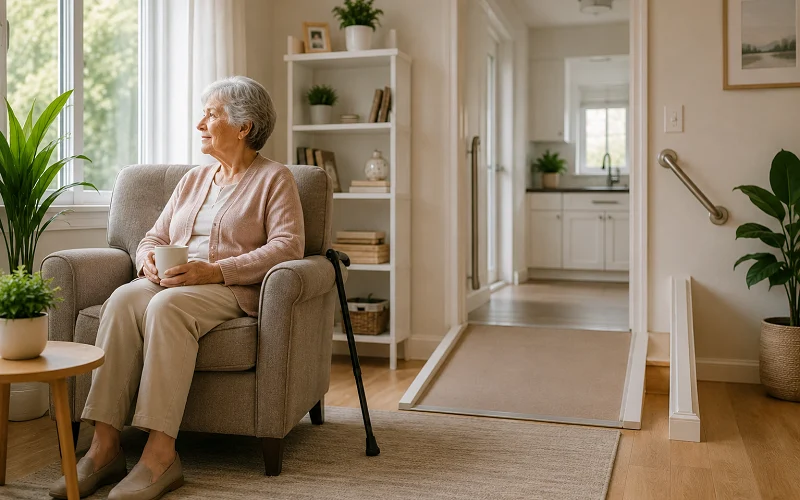
- Examine your current living space to spot hazards and areas needing improvement.
- Act on modifications that enhance safety, reduce fall risks, and improve day-to-day accessibility.
- Adopt technology to support health monitoring and make daily routines easier to manage.
- Prepare for changing needs by anticipating adjustments to the home and support systems.
Aging in place, or the ability to remain in your own home as you get older, is a wish shared by many adults. Making this a reality requires proactive steps, from adjusting your living space for safety to utilizing reliable support systems. Taking the time to implement thoughtful modifications and introduce solutions such as a medical alert device can help you or your loved ones maintain independence while staying secure.
With the right planning and a keen understanding of evolving needs, you can create an environment that not only minimizes risks but also supports your overall well-being. This guide outlines practical strategies to make your home safer, more accessible, and better suited to support healthy aging.
Assessing Your Home’s Safety
Performing an honest assessment of your home is a crucial first step. Older adults often encounter risks such as slippery bathroom floors, dimly lit hallways, and challenging storage solutions. A careful evaluation helps you set priorities and focus on changes that offer the greatest safety benefits. The Centers for Disease Control and Prevention (CDC) offers helpful guidelines for conducting a home fall safety checkup, empowering you to spot and resolve issues before they become problems.
Essential Home Modifications
Simple yet effective enhancements can transform your space into a safer, more user-friendly environment. Key areas for improvement include:
- Bathroom Safety:Install grab bars in the shower and near the toilet, add non-slip mats, and consider a walk-in tub or curbless shower for easier access.
- Kitchen Accessibility:Lower counter heights, organize shelving so frequently used items are easy to reach, and select appliances that are intuitive and safe.
- Lighting Improvements:Brighten hallways, stairwells, and entryways with motion-sensor or easily accessible lights to prevent trips and falls.
- Flooring Adjustments:Switch high-pile carpets to low-pile or hard-surface flooring to aid those using walkers or wheelchairs and to limit tripping hazards.
Additional features, such as lever-style door handles and faucets, can make daily tasks more manageable for those with arthritis or limited hand strength. Widening doorways or removing thresholds can increase maneuverability, especially for wheelchairs and walkers. Equipping entryways with ramps instead of stairs, even if only a step or two, can reduce stress and risk for anyone with mobility concerns. Consider placing frequently used items, such as phones and keys, in designated, easy-to-access locations throughout the home. Each adjustment, even small ones, helps build confidence while supporting safe, independent living.
Leveraging Technology for Support
Today’s technology makes independent living more practical and secure. Several options provide both peace of mind and crucial safety benefits for seniors and their families:
- Medical Alert Systems:Wearable or easily accessible devices instantly connect users to emergency help. These solutions are vital for seniors who live alone or have health conditions that require rapid assistance.
- Smart Home Features:Devices that respond to voice commands for controlling lights, thermostats, and security systems make independent living more accessible.
- Health Monitoring Devices:Wearables can track everything from heart rate to daily activity. Many also include fall detection and can automatically alert caregivers if an event occurs.
Beyond personal safety, technology can also reduce isolation and help maintain meaningful relationships. Video calling services and easy-to-use tablets enable face-to-face connections with family and friends, no matter the distance. In-home sensors and monitoring solutions allow caregivers to remotely check in and receive alerts if patterns change, providing reassurance to both seniors and their loved ones.
Planning for Future Needs
It’s wise to anticipate future health developments when updating your home. Planning ahead can help you avoid rushed or costly changes later on. Consider options such as designing wide doorways to accommodate wheelchairs, installing stairlifts or home elevators to ensure every part of your house remains accessible, and building a network of family, friends, and professional caregivers who can lend support if needed. Thinking ahead allows you to adapt smoothly as needs change.
Regularly review your living arrangements and routines to see if they still suit your current health and abilities. Schedule home assessments annually, or after any major health change, to proactively identify what else you may need. This flexible, forward-thinking approach empowers you to explore a continuum of options and solutions that align with your preferences and evolving requirements, ensuring both comfort and long-term autonomy.
Financial Considerations
Home modifications and additional care services can be significant financial investments. Building a budget is crucial. Review resources, such as long-term care insurance and government-supported programs like Medicaid waivers, that can help defray costs. Community organizations and nonprofit agencies sometimes provide low-cost services or financial aid for home safety upgrades. Taking time to research these options ensures your plans are financially sustainable.
In addition to external financial assistance, consider speaking with a financial advisor specializing in elder care or retirement planning. They can help you create a roadmap for future expenses, identify tax deductions or benefits related to aging-in-place improvements, and make informed decisions about your long-term security. Planning ahead financially can relieve stress, help you avoid unexpected debt, and give you greater peace of mind as you move forward with your aging-in-place goals.
Community Resources and Support
Connecting with local organizations expands your support network. Many communities offer transportation services, hot meal delivery, health clinics, and recreational activities tailored for older adults. Taking advantage of these programs can boost physical and mental health while combating feelings of loneliness and isolation. Remaining socially engaged and connected to resources is vital for long-term well-being.
Public libraries, senior centers, and faith-based groups often offer classes, workshops, and volunteer opportunities to help you stay mentally active and form new friendships. Exploring local support groups, especially those focused on caregiving or specific health needs, can also offer invaluable encouragement and shared insights. Staying socially anchored is just as important as maintaining a physically safe environment, helping you remain engaged, fulfilled, and able to enjoy life at every stage.
Conclusion
The desire to age in place is shared by many, and it is entirely possible with careful planning and a proactive approach. By identifying risks in your living space, implementing effective modifications, leveraging technology, and developing a plan for future needs, you can create a home that promotes security and independent living for many years to come.