
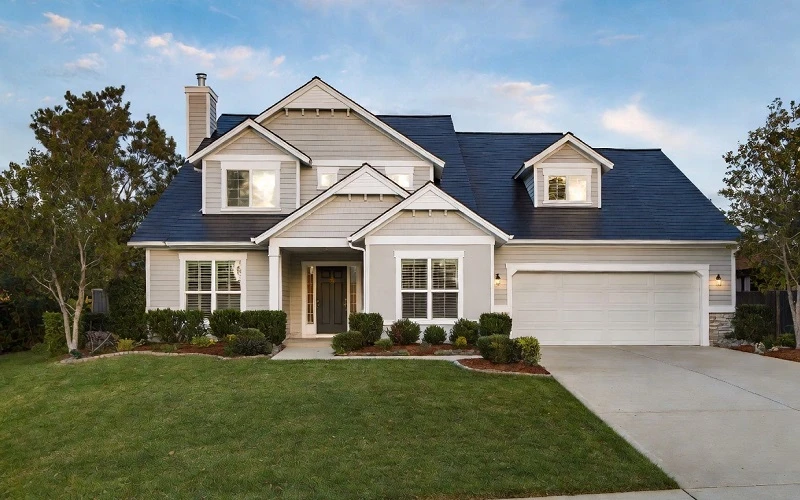
Most homeowners spend money on upgrades that feel good but do little for resale. The truth is simple: only certain home improvements that increase property value actually pay you back when you sell. This guide shows you exactly which projects deliver real returns in 2026, what they cost, and how to avoid wasting money.
You will see clear rankings, realistic cost ranges, and practical advice based on what buyers and appraisers actually care about right now.
How Home Improvements Affect Property Value
Buyers pay for condition, function, and first impressions. They rarely pay extra for highly personal choices.
Appraisers look at comparable sales in your area. If your renovated kitchen costs far more than similar homes nearby, you rarely recover the full amount. Energy efficiency has grown more important since 2024. Homes that feel efficient and well-maintained sell faster and closer to asking price.
A real example: A homeowner spent $65,000 on a high-end kitchen with custom everything. Comparable homes in the neighborhood had solid mid-range kitchens. The appraisal only gave partial credit for the upgrade. The extra $25,000 in luxury finishes brought almost no additional value.
Focus on projects that most buyers want, not projects that only you love.
Top Home Improvements Ranked by ROI in 2026
Here is a clear ranking based on current market data and typical returns:
| Rank | Project | Average Cost Range | Expected ROI | Best For |
|---|---|---|---|---|
| 1 | Minor Kitchen Remodel | $15,000 – $35,000 | High | Most homes |
| 2 | Bathroom Update | $10,000 – $25,000 | High | Preparing to sell |
| 3 | Roof Replacement | $8,000 – $18,000 | Medium-High | Older roofs |
| 4 | Energy-Efficient Windows | $8,000 – $20,000 | Medium-High | Long-term owners |
| 5 | Curb Appeal + Exterior Work | $3,000 – $12,000 | High | Fast visual impact |
| 6 | Flooring Upgrades | $5,000 – $15,000 | Medium | Dated interiors |
| 7 | HVAC System Upgrade | $6,000 – $14,000 | Medium | Comfort + efficiency |
These numbers reflect national averages. Local labor and material costs can shift them.
1. Minor Kitchen Remodel
A full gut renovation rarely returns the highest percentage. A focused minor remodel usually performs better.
Replace worn countertops with quartz or solid surface. Update cabinet doors or hardware. Install better lighting and a clean backsplash. Keep the existing layout if it works.
One homeowner spent $22,000 on new counters, cabinet refacing, and lighting. The home sold three months later for $31,000 more than similar unupdated properties on the same street. The project paid for itself and left a clear profit.
Avoid moving plumbing or walls unless the layout is truly broken. Those changes drive costs up fast and reduce your return.
2. Bathroom Update
Bathrooms rank high because buyers notice them immediately. You do not always need a full gut job.
Replace the vanity, update the mirror and lighting, install a new shower door or fixtures, and improve ventilation. Fresh tile or a quality tub refinish also helps.
A simple $14,000 bathroom refresh in a 1990s home helped the owners receive multiple offers. Buyers repeatedly mentioned the updated bathrooms in their feedback.
Keep finishes neutral. Bold colors or unusual tile can limit your buyer pool.
3. Roof Replacement
A new roof does not always add dramatic value, but a failing roof almost always subtracts value. Buyers and inspectors treat roof condition as a major red flag.
If your roof is older than 15–20 years or shows clear wear, replacement protects your sale price. Architectural shingles remain the most common choice for good returns. Metal roofs can work in some markets but cost more upfront.
One seller replaced a 22-year-old roof for $11,500 before listing. The inspection report came back clean, and the home went under contract in nine days at full asking price. Without the new roof, the same buyers would have demanded a large credit.
4. Energy-Efficient Windows and Insulation
Energy costs stay high, and buyers notice. New windows and proper insulation improve comfort and reduce utility bills.
Double-pane or triple-pane windows with low-E coating deliver the best results in most climates. Pair them with attic insulation upgrades for stronger impact.
A homeowner in a cold climate spent $16,000 on windows and added attic insulation. Their winter heating bills dropped noticeably, and the listing highlighted the energy upgrades. The home sold above the average price for the neighborhood.
This category works especially well if you plan to stay in the house for several years. You enjoy the savings while building equity.
5. Curb Appeal and Exterior Improvements
First impressions happen in seconds. Simple exterior work often delivers some of the strongest returns for the money.
Fresh exterior paint in a classic color, a new front door, updated house numbers, clean landscaping, and a modern garage door change how buyers feel about the entire property.
A seller spent $4,800 on paint, landscaping, and a new front door. The home looked significantly more cared-for in photos and in person. It sold $12,000 above the previous comparable sale on the street.
Focus on cleanliness and simple updates rather than expensive hardscaping.
6. Flooring Upgrades
Dated carpet or worn vinyl can drag down an otherwise solid home. Buyers prefer durable, easy-to-clean surfaces.
Luxury vinyl plank and quality engineered hardwood currently perform well. They look good, hold up to daily life, and appeal to a wide range of buyers.
Replacing old carpet throughout a main floor with luxury vinyl for $7,200 helped one home show much better. Buyers commented on the fresh, clean feel.
Avoid the cheapest options. Thin flooring looks and feels inexpensive and can hurt more than it helps.
7. HVAC System Upgrade
A new heating and cooling system rarely tops the ROI list, but an old or failing system creates problems. Buyers worry about future repair costs.
If your system is 15+ years old or needs frequent repairs, replacement removes a major objection. High-efficiency units also support the energy-efficiency story.
One family replaced a failing 18-year-old system before listing. The inspection passed cleanly, and no one requested credits for HVAC. That alone protected thousands of dollars.
Home Improvements That Rarely Increase Property Value
Some projects feel worthwhile but rarely pay back.
Luxury swimming pools often return only a fraction of their cost. Highly specialized rooms (wine cellars, elaborate home theaters) appeal to narrow buyer groups. Over-the-top finishes that far exceed the neighborhood standard usually get only partial credit.
Converting a garage into living space can also hurt value in many markets because buyers still want parking and storage.
One homeowner added a $40,000 custom home theater. Appraisers gave limited credit, and several buyers said they would remove it. The project reduced the pool of interested buyers.
How to Prioritize Projects Based on Your Situation
Your timeline and goals should drive the decisions.
If you plan to sell within 1–2 years:
Focus on kitchen and bathroom updates, flooring, curb appeal, and any major system that would fail inspection. Keep finishes neutral and durable.
If you plan to stay 5+ years:
You can invest more in energy efficiency, better windows, and projects that improve daily comfort. You will enjoy the benefits while the equity builds.
If you have a limited budget:
Start with curb appeal, lighting, paint, and one high-impact room (usually the kitchen or main bathroom). Small, visible improvements often create the strongest first impression for the money.
Realistic Cost Planning and Hidden Expenses
Material costs are only part of the picture. Labor, permits, disposal, and unexpected issues usually add 15–25% to the initial estimate.
Always get multiple bids. Ask what the quote includes and what it excludes. Set aside a contingency fund. Many projects uncover surprises once walls or floors open.
Financing options such as home equity loans or renovation-specific loans can help, but run the numbers carefully. Interest costs reduce your net return.
Common Mistakes That Reduce ROI
Over-improving for the neighborhood remains the biggest error. Matching the quality level of nearby homes usually works better than far exceeding it.
Choosing trendy colors or finishes that date quickly also hurts. Timeless, clean designs appeal to more buyers.
Poor workmanship creates new problems. A cheap renovation that looks uneven or fails inspection can lower value instead of raising it.
Skipping permits on structural or major electrical work creates risk for both you and future buyers.
FAQs
What home improvement adds the most value?
In most markets, a well-executed minor kitchen remodel and bathroom updates currently deliver the strongest combination of return and buyer appeal.
Is a kitchen remodel worth it before selling?
A focused minor remodel often is. A full luxury gut job frequently is not. Match the scope to your neighborhood and timeline.
Do energy-efficient upgrades increase home value?
Yes, especially windows, insulation, and efficient HVAC. Buyers care more about operating costs than they did five years ago.
How much should I spend on renovations before selling?
A common guideline is to keep total pre-sale improvements in the range of 5–10% of the expected sale price, focused on the highest-ROI projects.
Should I renovate before selling or sell as-is?
If the house has clear functional or cosmetic issues that will scare buyers or fail inspection, fix them. If the house is already solid and priced correctly, selling as-is can work.
Final Thoughts
The most successful projects share three traits: they improve function, they appeal to a wide range of buyers, and they match the standards of the neighborhood. Chasing luxury for its own sake rarely pays.
Start with a clear assessment of your roof, kitchen, bathrooms, flooring, and curb appeal. Fix the items that create objections first. Then invest in the upgrades that deliver the strongest return.
Ready to plan your next project? Review your home against the ranking in this guide and decide which one or two improvements will move the needle most. Then explore our detailed guides on kitchen remodels, bathroom updates, and energy-efficient upgrades to get exact next steps.