
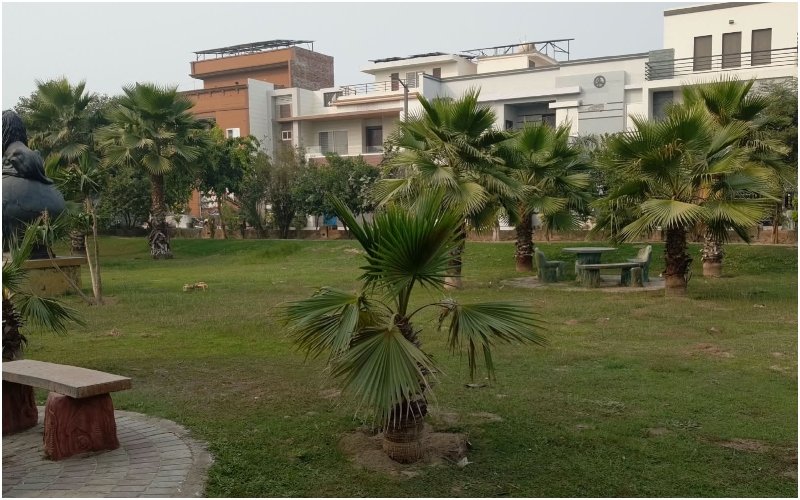
Gardening is one of life’s purest pleasures. A beautiful home isn’t just about its interior or entrance; a clean, green, well-maintained garden also makes it more attractive. You don’t need to spend a lot of money or put in much effort to create a beautiful garden.
I have also improved my home and its front garden with a few simple changes. You can do the same with little effort to make your home and garden more beautiful and peaceful.
In this guide, I’ll share practical gardening tips and useful ideas to help you make your garden and surrounding space greener, more attractive, and beautiful.
Why Garden Improvement Is an Important Part of Home Improvement
Many homeowners focus on interior decoration but forget about their outdoor spaces. However, a garden is often one of the first things visitors notice when they arrive at a home. A clean and colorful garden creates a positive first impression and adds natural beauty to the surroundings.
A garden also provides a relaxing place where family members can spend time, enjoy fresh air, and take a break from their daily routines. Green plants and colorful flowers can make an outdoor area feel more peaceful and welcoming.
You do not need a large garden to achieve these results. Even a small outdoor space, balcony, or entrance area can become attractive with suitable plants, decorative pots, and proper organization. The important thing is to maintain the space regularly and choose improvements that match your home’s design.
Give Your Garden a Fresh Look with Simple Changes
Sometimes, a garden does not need a complete makeover. It only needs attention, cleaning, and a few creative changes.
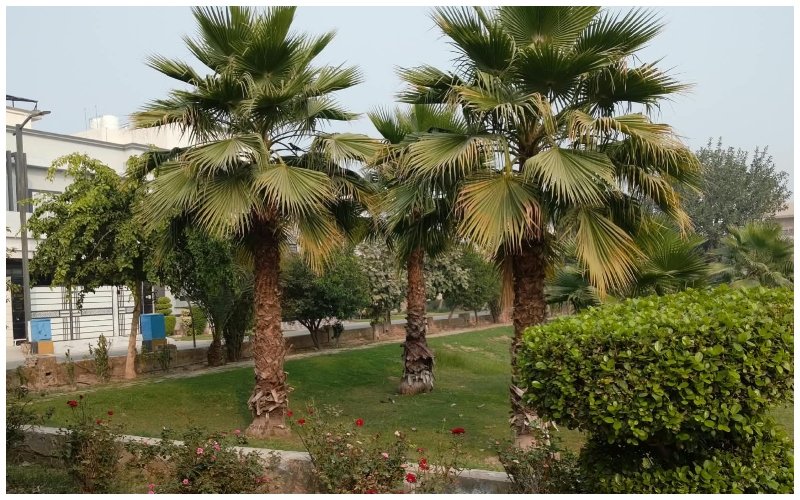
One morning, I went outside to my home garden and noticed that the plants were scattered around the space. Some areas looked unorganized, the grass needed cutting, and the overall appearance was not as attractive as I wanted. Instead of spending money on a complete renovation, I decided to improve it step by step.
First, I cleaned the garden and removed unnecessary items. Then, I rearranged the existing plants and trimmed the grass to give the lawn a neat appearance. I also selected new plants according to my personal taste and introduced different varieties of flowers to add more colors.
These small changes made a noticeable difference. The garden looked fresher, more organized, and more beautiful. This experience showed me that improving a home garden does not always require expensive products or professional services. Sometimes, a little time and creativity are enough to transform an ordinary space.
Choose Flowers and Plants That Match Your Garden
Selecting the right plants is one of the most important gardening tricks. Before purchasing flowers, check the amount of sunlight your garden receives, the condition of the soil, and the space available for plant growth.
For colorful decoration, you can consider different flowering plants:
- Roses: Suitable for adding classic beauty and fragrance.
- Marigolds: Colorful flowers that can brighten garden borders.
- Petunias: Useful for hanging baskets, pots, and flower beds.
- Zinnias: Available in attractive colors and suitable for sunny areas.
- Jasmine: A popular choice for its pleasant fragrance.
Try combining different flower colors instead of planting everything in one shade. You can place taller plants toward the back and smaller flowering plants near the front. This arrangement creates a balanced appearance and allows each plant to receive enough attention.
Also, consider seasonal flowers. Choosing plants according to the local weather can help maintain a colorful garden throughout the year.
Keep Your Lawn Green with Proper Grass Care
A healthy lawn can make a garden look clean and professionally maintained. However, grass requires regular care to stay green and healthy.
One useful trick is to cut the grass regularly instead of allowing it to grow too long. Use suitable lawn equipment and avoid removing too much grass at once. Cutting grass too short can weaken it and make the soil more exposed to heat.
Watering is another important part of lawn maintenance. Water deeply when needed, preferably during the cooler hours of the morning. Avoid unnecessary watering because excessive moisture can damage grass roots and encourage fungal problems.
Remove weeds when they appear and fill empty patches with suitable grass seed. You can also improve soil quality by adding appropriate compost. These simple habits can help create a healthier and more attractive lawn.
Use Creative Garden Decoration Tricks
Garden decoration does not have to be expensive. You can improve the appearance of your outdoor space by using simple decorative ideas.
Start by choosing pots that complement your home’s exterior colors. Arrange them near entrances, pathways, walls, or garden corners. Hanging baskets can also make good use of vertical space, especially when the ground area is limited.
Another useful idea is to create a small flower corner. Combine plants with different heights, leaf shapes, and flower colors to create an attractive arrangement. You can also use decorative stones around plant beds to give the garden a more organized appearance.
If you have enough space, consider adding a small seating area. A simple outdoor chair or bench can turn your garden into a comfortable place for morning tea, reading, or relaxing with family.
Solar garden lights are another practical addition. They can highlight pathways and selected plants while providing gentle outdoor lighting after sunset.
Improve Soil Quality for Stronger Plant Growth
Beautiful gardens begin with healthy soil. Even attractive plants may struggle when the soil does not provide enough nutrients or proper drainage.
Before planting new flowers, loosen the soil and remove unwanted weeds. Adding suitable organic compost can improve soil structure and provide nutrients that support plant growth.
Another important trick is checking drainage. If water remains around plant roots for too long, some plants may develop root problems. You can use suitable pots with drainage holes and improve garden beds where water collects.
Avoid using fertilizer without understanding the needs of your plants. Different varieties may require different nutrients, so follow product instructions and use fertilizer carefully.
Create a Small Garden Even in Limited Space
Not every home has a large outdoor area, but that does not mean you cannot enjoy gardening. Small gardens can look beautiful when the available space is used properly.
Vertical gardening is a useful solution for balconies, narrow outdoor areas, and small courtyards. You can use wall-mounted planters, hanging baskets, or suitable shelves to arrange plants without taking up too much floor space.
Choose compact plants and small pots that fit your available area. Herbs such as mint, basil, and coriander can be useful choices because they add greenery and can also be used in cooking.
Keep pathways and entrances clear so that the garden remains practical as well as attractive.
Improve Indoor Spaces Alongside Your Garden
While outdoor gardening adds natural beauty, indoor improvements make everyday living more comfortable. Both areas should work together to create a welcoming home.
Start by organizing rooms, removing unnecessary items, and arranging furniture according to available space. Choose suitable wall colors and curtains that complement the overall design.
Indoor plants can also connect your interior decoration with the outdoor garden. Plants such as pothos, snake plants, and spider plants are popular indoor options, although their light and watering requirements should always be considered.
Keep windows clean to allow natural light into rooms. Use energy-efficient LED lighting and select decorative accessories that improve the appearance without making spaces crowded.
Keep Your Home and Garden Clean with a Regular Routine
A beautiful home requires regular maintenance. Even the best decoration ideas lose their appeal when rooms, lawns, and outdoor areas are neglected.
Create a simple weekly routine. Clean floors, organize furniture, remove dust, and check areas where unnecessary items collect. In the garden, remove dry leaves, inspect plants, trim damaged branches, and check for pests.
You should also examine garden pots, outdoor taps, drainage areas, and irrigation equipment. Fixing small problems early can prevent bigger maintenance costs later.
A monthly review of your home and garden can help you identify areas that need improvement before they become difficult to manage.
Make Your Home More Eco-Friendly
Home improvement can also support a more sustainable lifestyle. Instead of replacing everything, consider repairing, reusing, and improving items that are still in good condition.
For gardening, composting suitable kitchen waste is a practical way to reduce household waste and create organic material for the soil. Collecting rainwater where permitted and safely storing it can also provide an additional water source for outdoor plants.
Choose durable garden tools, reusable pots, and materials that can withstand local weather conditions. Planting suitable native or locally adapted species can also reduce the effort needed for watering and maintenance.
These simple choices can make your home and garden more environmentally responsible.
Common Home and Garden Improvement Mistakes to Avoid
Before starting a home improvement project, avoid these common mistakes:
- Buying plants without checking their sunlight requirements.
- Watering every plant with the same amount of water.
- Cutting lawn grass too short.
- Planting flowers too close together.
- Ignoring drainage and soil quality.
- Overcrowding rooms with unnecessary decoration.
- Spending money without setting a project budget.
- Ignoring regular cleaning and maintenance.
Planning and understanding the needs of your home and plants can help you achieve better results.
Frequently Asked Questions
1. How can I improve my home garden without spending too much?
Start by cleaning the area, rearranging existing plants, trimming the grass, and reusing suitable pots. Add a few affordable seasonal flowers to introduce fresh colors.
2. Why is garden maintenance important for home improvement?
A well-maintained garden improves the outdoor appearance of a property, creates a relaxing environment, and makes the home feel more welcoming.
3. Which flowers are suitable for home gardens?
Roses, marigolds, petunias, zinnias, and jasmine are popular choices. The best options depend on local weather, sunlight, and soil conditions.
4. How can I make a small garden look attractive?
Use colorful pots, vertical planters, hanging baskets, decorative stones, and compact flowering plants. Keep the space organized and avoid overcrowding.
5. How often should I cut my garden grass?
Grass-cutting frequency depends on the grass variety, growing season, and weather. Cut it when necessary, but avoid removing more than one-third of its height at a time.
Conclusion
Home improvement is not limited to painting walls, purchasing furniture, or decorating indoor rooms. Garden improvement is equally important because outdoor spaces contribute to the overall beauty and comfort of a home. A clean lawn, colorful flowers, healthy plants, and creative decoration can make even a simple property look more attractive.
My own garden experience taught me that small changes can produce meaningful results. Cleaning scattered plants, trimming grass, rearranging flower pots, and introducing new varieties can give an ordinary garden a fresh appearance. The same approach can be applied to every part of the home.
By following these Home Tips and Tricks Decadgarden, you can improve your indoor spaces, create a beautiful garden, and develop a comfortable environment for your family. Start with one small project, maintain it regularly, and gradually turn your home into a place that reflects your personal style.