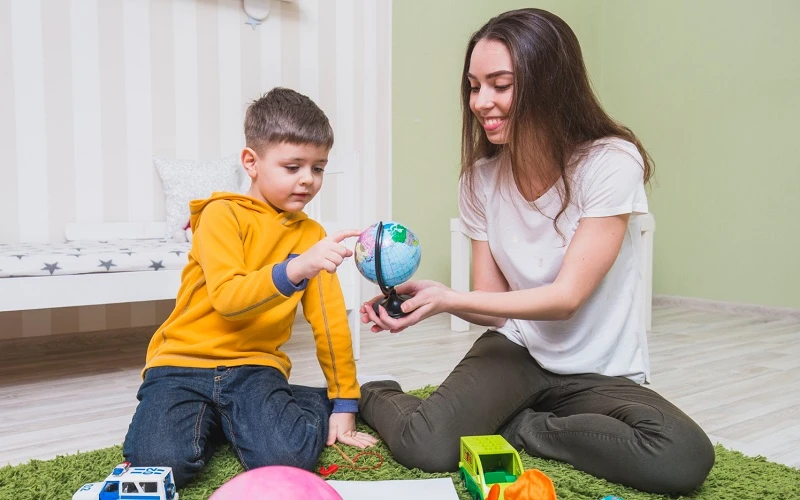
Children across Arizona show a wide range of strengths, challenges, and learning styles. Support plans that respect these differences often create better outcomes, especially when care feels personal and adaptable. Applied Behavior Analysis, commonly known as ABA therapy, offers structured methods that focus on skill development, communication, and daily independence in a supportive setting.
Families often seek approaches that match their child’s unique needs rather than a one-size plan. This is where Arizon ABA Therapy becomes relevant early in the discussion, as it reflects how tailored services meet varied developmental profiles. The sections below explore how ABA therapy adjusts to different needs and how those adjustments support long-term growth.
Early Intervention for Young Learners
Young children benefit from early, structured support that builds communication and social awareness. Therapists often use play-based activities that encourage eye contact, simple requests, and shared attention. These sessions feel natural while still focusing on measurable goals.
In Arizona, early programs often take place at home or in specialized centers. Parents receive guidance so that strategies continue beyond therapy hours. This consistency helps children develop confidence and routine at a steady pace.
Support for School-Age Development
School-age children often require support that aligns with classroom expectations. ABA therapy helps improve focus, task completion, and peer interaction. These skills play a major role in academic success and social comfort.
Programs in Arizona frequently coordinate with educators to ensure continuity. Clear communication between therapists and schools allows goals to remain consistent across environments. Children gain practical tools that fit real classroom situations.
Communication-Focused Plans
Many children face challenges in expressing needs or understanding language. ABA therapy places strong emphasis on communication, whether verbal or through alternative systems such as picture exchange or assistive devices.
Therapists adjust techniques based on each child’s abilities. Some may work on basic words, while others focus on sentence structure or conversation skills. In Arizona, access to diverse communication tools allows programs to match each child’s level of progress.
Behavioral Goals That Build Independence
Behavioral challenges often create barriers in daily life. ABA therapy addresses these concerns through positive reinforcement and clear expectations. The goal remains simple: replace difficult behaviors with helpful, functional actions.
Children learn skills such as following instructions, managing frustration, and completing routines. In Arizona, therapy plans often include real-life scenarios such as mealtime habits or community outings. These practical goals support independence over time.
Social Skills for Meaningful Connections
Social interaction plays a key role in emotional well-being. ABA therapy includes structured opportunities to practice sharing, turn-taking, and conversation. These sessions often occur in small groups to encourage peer engagement.
Programs across Arizona create safe environments where children can build friendships at their own pace. Therapists guide interactions without pressure, which helps reduce anxiety and encourages natural connections.
Flexible Care Across Settings
ABA therapy does not stay limited to one environment. Services often extend across homes, clinics, and community spaces. This flexibility allows children to apply learned skills in different situations.
Arizon ABA Therapy continues to adapt based on family routines and individual progress. Some children benefit from center-based sessions, while others respond better in familiar surroundings. This flexibility ensures that therapy remains practical and relevant.
Wrap up
ABA therapy in Arizona reflects a commitment to personalized care that respects each child’s unique path. From early childhood support to advanced skill development, programs adjust to meet evolving needs. Families gain access to structured yet flexible plans that promote communication, independence, and social growth. Consistent guidance, combined with tailored strategies, helps children build confidence in everyday situations.