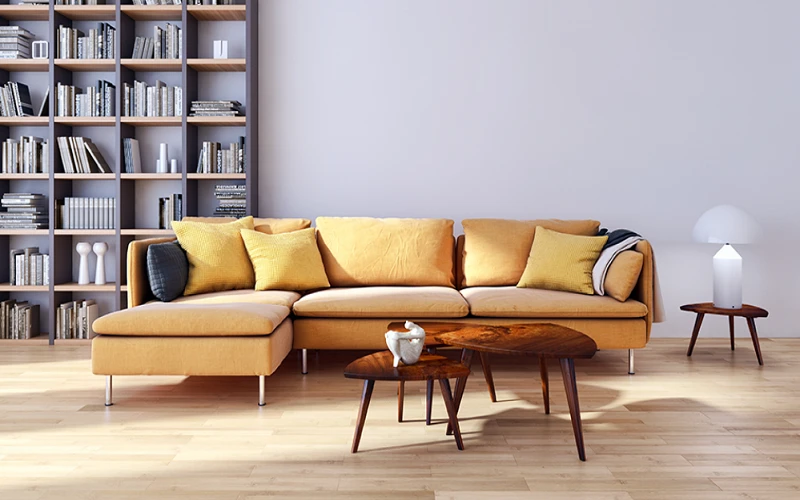
Choosing furniture for your home is an important decision that affects comfort, functionality, and the overall atmosphere of your living space. Furniture is not only about filling a room with items. It plays a major role in shaping how a home feels and how well it supports daily activities. From relaxing on a chaise lounge to enjoying meals with family, the right furniture can enhance both convenience and style.
With so many designs, materials, and sizes available, selecting furniture can sometimes feel overwhelming. Taking the time to consider several key factors can help you make thoughtful choices that suit your lifestyle and create a home that feels welcoming and practical.
Understand Your Space
Before buying any furniture, it is important to evaluate the size and layout of your rooms. Oversized furniture can make a room feel cramped, while smaller items might leave the space looking empty.
- Measure your rooms carefully, including doors and walkways.
- Consider how furniture placement affects movement and flow.
- Visualise different layouts before making a purchase.
Planning the arrangement helps maintain a sense of balance and openness while making sure every piece fits comfortably.
Comfort and Functionality
While style is important, comfort should always be a priority. Furniture is meant to be used every day, so practical considerations are key.
- Seating: Sofas and chairs should provide support and comfort for daily use.
- Dining Furniture: Chairs should be comfortable for extended meals or gatherings.
- Beds: Ensure your mattress and bed frame provide the right support for restful sleep. Some stores even offer bed frames with a free mattress.
- Multifunctional Furniture: Consider pieces with storage or modular options for added practicality.
Quality of Materials
The materials used in furniture impact its durability, look, and maintenance. Investing in well-made items can save money in the long term.
- Wood: Solid wood is sturdy, long-lasting, and naturally appealing.
- Upholstery: High-quality fabrics resist wear and maintain comfort over time.
Choosing durable materials for your furniture ensures it can withstand daily use while maintaining its appearance and functionality over time. Investing in quality fabrics, solid wood, or sturdy frames not only extends the life of your pieces but also helps keep your home looking stylish and well cared for.
Style and Cohesion
Furniture contributes to the visual identity of your home. Choosing pieces that harmonise with your existing decor creates a cohesive and balanced look.
- Decide on a design theme, whether modern, classic, or contemporary.
- Match colours, textures, and shapes to create harmony.
- Use neutral tones for flexibility and introduce decorative elements through cushions, rugs, or artwork.
Maintaining consistency in style across your furniture and decor helps create a cohesive and harmonious look. This approach prevents the home from feeling disorganised or cluttered and ensures that each room flows naturally into the next, making your living space feel more comfortable and inviting.
Storage Solutions
Effective storage keeps your home organised and clutter-free. Furniture that includes storage options can be both functional and stylish.
- Shelving Units: Ideal for books, decorative items, and essentials.
- Cabinets and Sideboards: Provide hidden storage for a tidy look.
- Multifunctional Pieces: Beds, ottomans, or coffee tables with storage can maximise space in smaller homes.
Thoughtful storage not only makes daily living easier but also enhances the overall aesthetic of your space, allowing furniture to fit seamlessly without creating overcrowding.
Durability and Maintenance
Furniture is often a long-term investment, so selecting durable and high-quality options is essential. Choosing pieces made from sturdy materials and well-crafted construction ensures they remain functional, stylish, and comfortable for years, providing good value for your home.
- Check the construction of furniture, including joints and frames.
- Consider the impact of children, pets, and frequent use on materials.
- Understand that some fabrics and types of wood require regular maintenance, while others are low-maintenance and easier to care for.
Durable furniture not only ensures longevity but also reduces the need for frequent replacement, saving both time and money while maintaining a stylish and functional home.
Final Thoughts
Choosing furniture for your home is about more than aesthetics. It involves careful consideration of comfort, durability, style, and practicality. By understanding your space, prioritising comfort, selecting quality materials, and planning for storage and lifestyle needs, you can create a home that is both welcoming and functional.
Well-chosen furniture enhances daily life, supports routines, and contributes to a space where you feel comfortable and relaxed. Taking the time to make informed decisions ensures that every piece you select brings long-term value, beauty, and comfort to your home.
Frequently Asked Questions
What factors should be considered before buying furniture?
Before purchasing furniture, consider the size and layout of the room, comfort, functionality, quality of materials and durability. Evaluating these factors ensures the furniture suits the space and lifestyle.
How can the size and layout of a room affect furniture choices?
Oversized furniture can make a room feel cramped, while smaller pieces may leave it looking empty. Measuring rooms, doors, and walkways, and planning furniture placement helps maintain balance, flow, and openness.
Why is comfort important when selecting furniture?
Comfort is essential because furniture is used daily. Sofas, chairs, and beds should provide adequate support, while dining chairs should remain comfortable for meals and gatherings. Multifunctional pieces can also enhance practicality without compromising comfort.
How can durability and maintenance impact furniture selection?
Durable furniture ensures longevity and reduces the need for frequent replacement. Understanding maintenance requirements of fabrics and wood types helps choose pieces that are easy to care for, saving time and money while keeping the home stylish and functional.
Can multifunctional furniture be a good investment?
Yes, multifunctional furniture, such as storage beds or sofa beds, adds practicality without taking up extra space. It provides both comfort and efficiency.