
Introduction
You don’t need to redo your whole home to make it look good. Just plan a bit and work on things that actually need fixing. Small changes can make your house look way more nice.
The right upgrades can improve a home’s functionality, give it a modern look, and increase the property’s overall value and enjoyment. Fresh paint, better lighting, and swapping out old items can make your home feel more comfortable every day.
This guide is about simple, practical changes. It shows you how to make your home more beautiful, more comfortable, cleaner, with better storage and useful upgrades. It helps you pick what is important and make your space more organized.
How to Plan Home Upgrades and Set a Realistic Budget
Before starting a home improvement project, assess each room and identify what needs attention. Look for poor lighting, unused corners, damaged surfaces, outdated furniture, and unnecessary clutter. Setting clear priorities helps you focus on improvements that solve real problems instead of spending money on unnecessary decorations.
Create a budget that covers essential repairs, paint, lighting, storage, furniture, and accessories. Compare prices before purchasing materials, and consider maintenance costs as well as the initial price. Following a clear plan can help you avoid impulse buying and keep your project manageable.
Complete necessary repairs before adding decorative details. Fix leaks, damaged surfaces, and loose fixtures first, then consider affordable changes such as rearranging furniture, repainting suitable items, or updating cabinet handles. Working on one room at a time makes it easier to manage expenses and evaluate the results before starting another project.
Simple Interior Design Changes That Transform Your Home
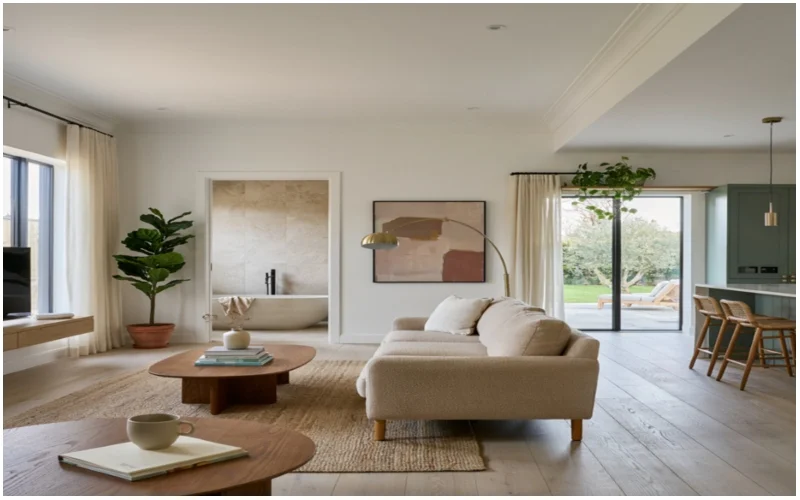
First, take out all the extra stuff you don’t really use. Don’t push everything together. Leave some space between things. See your room size and set furniture that way. When there is space, the room looks big, and you also feel relaxed, not cramped.
For colors, don’t do anything too loud. Pick simple colors that match with each other, and also match with your walls and ceiling. You don’t need to paint the whole house. Just a small change is enough to make your house look fresh and clean
.If you want to add some personal touch, try something on the walls – like a name, a small design, or hang some nice photos. You can also put a simple carpet on the floor that matches your room. But one thing – don’t put too many things in one room. When you put too much stuff in, it just feels uncomfortable.
Smart Kitchen and Living Room Upgrades for Everyday Comfort
A good kitchen means you have enough space to keep your stuff and work easily. Set your cabinets and drawers properly. Keep the things you use daily close to you, like spoons, pans, etc. For small items, use baskets or dividers so they don’t get mixed up. And try to keep your kitchen counter empty; don’t put everything on it. When the counter is clean, cooking becomes much easier, and the kitchen also looks neat. You don’t need to change everything to make your kitchen look new.
You don’t have to replace all the cabinets or buy new appliances. Just small things can do the job. Like changing the cabinet handles, adding a small light under the cabinet, or just organizing your old storage in a better way. But before you put any new shelf or rack, just measure the space. Make sure it doesn’t block your way or block the fridge, stove, etc.
Now for the living room, set your sofas and chairs in a way that people can talk easily, but also leave space to walk. Don’t block the walking path. You can use a rug to make your sitting area look separate and nice. If your sofa is old, just put some new cushions or a throw on it; it will look fresh. For lights, don’t depend on just one ceiling light. Mix it up – use a floor lamp or table lamp too. So when you want to read, relax, or sit with family, you can change the light as you need.
Bedroom Comfort, Bathroom Safety, and Storage
Your bedroom should feel calm and relaxed, not crowded. So place your bed and other furniture with some planning. Take out the things you don’t really need. Use bedding and curtains that match each other; it makes the room feel warm and welcoming. For reading at night, a small bedside lamp is much better than just using the big ceiling light.
For storage in the bedroom, don’t just put big almirahs everywhere. Try smart storage. You can use drawers under the bed, a storage bench, side tables, or shelves on the wall. Keep your daily-use items where you can easily reach them. And for seasonal clothes or things you rarely use, pack them separately. This way, your room will stay clean, and you will have more space to move around.
The bathroom is a bit different; you have to be more careful there. First, check for any leakage, sealant, or damaged tiles. Fix that first before you think about decoration. Then, for keeping things organized, use small cabinets, baskets, or shelves for your toiletries. Try to keep the floor dry as much as possible; it is safer. Also make sure all the taps and fixtures are fixed tightly. And don’t put storage in a way that blocks your movement or the door.
Choose Durable Materials, Lighting, and Colors for Your Home
Look, when you are picking materials for your house, just think about one thing: where are you gonna use it and how much rough use it will get. For the kitchen and bathroom, you need something that can handle water and daily cleaning; otherwise, it gets ruined fast. For the living room, you just need furniture that can take daily sitting and all.
Before you buy anything, check 3 simple things. How long will it last, how easy it is to clean, and how much it will cost to install. If you check these 3, you will actually save money in the long run.
Now for lights, every room needs different lights. In the kitchen, you need bright white light right above where you cook, so you can see everything clearly. In the living room, it’s better to mix – one main light on top and then one or two lamps. Looks cozy, and you can change it when you want. In the bedroom, keep the light soft; too bright a light feels weird there. And when you buy bulbs, don’t just look at watts. Lumens tell you how bright it is; watts tell you how much electricity it uses.
For colors, just match it with what you already have – your furniture, your floor, and how much sunlight comes in. If you are confused, just go with simple colors like white, beige, light grey. They go with everything. If you want a little pop, add one bright color here and there. One more thing: don’t paint the whole wall straight away. Try a little patch first, see how it looks in daylight. And read what it says on the paint box, let it dry properly, and open the windows. If you take a little care, your paint and your house will look good for years.
Energy-Efficient Home Upgrades That Help Reduce Costs
You can save energy at home without doing anything big; even small changes are enough to start. If your bulbs are old, just put LEDs where you can; it will bring down your light bill. During the day, use more daylight, so you don’t need to turn on lights again and again. And keep brightness and color temperature as per each room’s needs.
After that check doors and windows if air is leaking from anywhere. Don’t block your air vents; keep them clean and open. And service your heating and cooling machines as per what the company says in the manual. As per your house condition and climate, sometimes insulation or sealing the windows helps make the inside more comfortable. Good curtains and window coverings also work; they control sunlight and manage room temperature.
When you go to buy appliances, don’t just check price and size; also check their energy efficiency info and how much you will use them. If you do regular maintenance and use them sensibly, they will work more efficiently. But one thing: how much you actually save depends on your house, your equipment, and your local energy rates. So better to start with small, cheap improvements and go for big upgrades only when you really need them and they fit in your budget
FAQs
1. How to Upgrade a Home on a Small Budget?
Don’t buy everything new. First, clean your house, fix the furniture arrangement, and complete necessary repairs. After that, focus on things that make a big difference, such as paint, lights, new handles, and cushions. Upgrade one room at a time.
2. What Repairs Should Be Done Before Decoration?
Fix all leaks, broken tiles, loose taps, and sealant issues first. If you decorate a wet wall, your work will be wasted. So, repair first and decorate later.
3. How to Make a Small Room Look Bigger?
Remove unnecessary furniture, leave space between items, and keep walking areas clear. Use light colors such as white, beige, and grey, and make sure the room has proper lighting. These changes can make the room look bigger.
4. What Are Easy Kitchen Upgrades Without New Cabinets?
Simply change the handles, add lights under the cabinets, and put baskets in the drawers. Keep daily-use items nearby and the countertop clean. Before adding a shelf, check its size to make sure it does not block the fridge or stove.
5. Which Light Is Best for Each Room?
The kitchen needs bright lighting over the cooking area. The living room needs one main light plus lamps, while the bedroom needs soft, warm lighting. When buying bulbs, check lumens rather than watts.
6. How to Choose a Paint Color?
Consider your furniture, flooring, and the amount of sunlight in the room. If you’re unsure, choose white, beige, or light grey, as these colors work well almost everywhere. Paint a small patch first and check it in daylight before painting the entire wall.
7. Which Material Is Best for the Kitchen and Bathroom?
Choose a waterproof material that is easy to clean. Regular materials can get damaged quickly due to water. Before buying, check the material’s lifespan, cleaning requirements, and installation cost.
8. How to Make a Bathroom Safe?
Check for leaks, damaged tiles, and sealant issues. Keep the floor dry, make sure all taps are tight, and use a small cabinet to store items without blocking the doorway.
9. Which Upgrades Can Save on Energy Bills?
Use LED bulbs, make use of sunlight, seal gaps around doors and windows, clean vents, and service your AC and heater on time. The amount you save on bills depends on your house.
10. Should You Upgrade the Whole House at Once or Room by Room?
Upgrading room by room is best because it makes budgeting easier and allows you to see the results. However, if electrical wiring and wall work are needed in the same area, complete them together so you don’t have to redo the work.
Conclusion
So basically, DecoradHouse Upgrade Tips by DecoratorAdvice shows one thing: you don’t need a full renovation to make your home better. With a little planning, the right furniture setting, good lighting, strong materials, and some smart storage, your home can look nice and also become more comfortable and organized for daily use. Just start by checking what your home really needs, set a budget that you can actually afford, and fix the important repairs first. Then do upgrades step by step, as per your lifestyle and space. Buy only useful things; don’t waste money on extra stuff. This way, your home will feel welcoming, and your costs will also stay in control.