
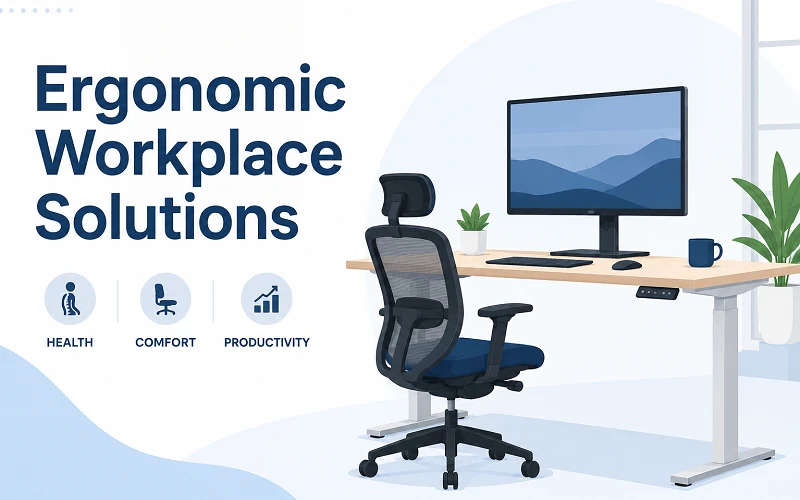
The modern workplace has evolved dramatically over the past decade, with businesses placing increasing importance on employee health, comfort, and productivity. As organisations adapt to changing work environments, ergonomic design has become a central focus in creating healthier and more efficient offices. Companies around the world now understand that workspace design directly affects employee performance, morale, and long-term well-being. Industry leaders such as Ergo Global continue to shape this transformation by delivering advanced ergonomic solutions tailored to the demands of contemporary businesses.
Ergonomics is no longer viewed as a luxury reserved for premium offices. It has become a practical necessity for organisations seeking to improve employee satisfaction while reducing workplace injuries and operational inefficiencies. As hybrid work arrangements, digital workflows, and prolonged screen exposure become increasingly common, the importance of ergonomic workplace solutions continues to grow.
Understanding the Purpose of Ergonomics in Modern Workspaces
Ergonomics refers to the science of designing work environments that support the natural movement and physical needs of individuals. Instead of forcing people to adapt to uncomfortable workstations, ergonomic design focuses on adapting the workspace to fit the individual. This approach helps minimise physical strain while promoting comfort, efficiency, and long-term health.
Many workplace injuries stem from repetitive movements, poor posture, and prolonged sitting. Employees who spend long hours at desks often experience neck pain, shoulder tension, wrist discomfort, and lower back issues. Over time, these seemingly minor problems can develop into serious musculoskeletal disorders that affect both productivity and overall quality of life.
An ergonomic workspace addresses these challenges by encouraging proper posture, supporting healthy movement, and reducing unnecessary physical stress. Adjustable desks, supportive seating, monitor positioning, and keyboard placement all contribute to creating a healthier work environment.
Businesses that invest in ergonomics often notice significant improvements in employee well-being and workplace performance. Comfortable employees tend to maintain higher focus levels, experience less fatigue, and demonstrate greater engagement in their daily responsibilities.
The Shift Toward Human-Centred Office Design
Traditional office layouts were often designed with efficiency and space maximisation in mind rather than employee comfort. Rows of identical desks and rigid workstations were once considered standard across many industries. However, as awareness of workplace health increased, organisations began recognising the limitations of these outdated setups.
Modern office design now prioritises flexibility, adaptability, and employee well-being. Human-centred workspaces focus on creating environments that support both physical and mental health. Ergonomics has become a key element in achieving this balance.
Businesses increasingly understand that employees are their most valuable asset. Providing a workspace that supports comfort and productivity is no longer simply a matter of compliance. It has become a strategic investment in workforce performance and retention.
The rise of remote and hybrid work models has also accelerated demand for ergonomic solutions. Employees working from home often lack proper office setups, leading many companies to provide ergonomic equipment and guidance to support healthier work habits beyond traditional office settings.
How Ergonomic Solutions Improve Employee Health
One of the most significant benefits of ergonomic workplace solutions is the reduction of physical discomfort and workplace-related injuries. Employees who use poorly designed workstations frequently develop repetitive strain injuries caused by awkward positioning and prolonged static postures.
Ergonomic chairs with proper lumbar support help maintain the natural curve of the spine, reducing pressure on the lower back. Height-adjustable desks allow employees to alternate between sitting and standing throughout the day, encouraging movement and improving circulation. Proper monitor positioning reduces neck strain and eye fatigue, while ergonomic keyboards and mice minimise wrist tension.
These adjustments may appear simple, but their long-term impact can be substantial. Employees who work comfortably are less likely to experience chronic pain or require time away from work due to physical health issues.
Improved ergonomics also contribute to better mental well-being. Physical discomfort often leads to stress, irritability, and reduced concentration. A comfortable workspace creates a more positive environment where employees can focus effectively without constant physical distractions.
As businesses continue prioritising employee wellness initiatives, ergonomic design has become an essential component of modern workplace health strategies.
The Connection Between Ergonomics and Productivity
Productivity is closely linked to physical comfort and workplace efficiency. Employees who experience discomfort throughout the day often struggle to maintain concentration and performance. Even minor ergonomic issues can lead to fatigue, reduced focus, and slower task completion.
Ergonomic workspaces support productivity by enabling employees to work more naturally and efficiently. Proper workstation setup reduces unnecessary movement and physical strain, allowing workers to maintain energy levels and mental clarity for longer periods.
Standing desks, adjustable monitors, and supportive seating encourage healthier movement patterns that help employees remain alert and engaged. In many cases, businesses that implement ergonomic improvements report noticeable increases in productivity and employee satisfaction.
The relationship between ergonomics and productivity extends beyond physical health. Employees who feel valued and supported by their employer are often more motivated and committed to their work. Providing ergonomic solutions demonstrates that a company genuinely cares about employee well-being, which can positively influence morale and workplace culture.
Reduced absenteeism is another significant advantage. Workplace injuries and chronic discomfort contribute to sick leave and reduced workforce efficiency. By proactively addressing ergonomic risks, businesses can minimise these disruptions and maintain smoother operations.
Ergonomics Beyond Traditional Office Environments
While ergonomics is often associated with office desks and chairs, its importance extends across numerous industries and work environments. Manufacturing facilities, healthcare institutions, educational settings, and logistics operations all benefit from ergonomic principles.
In industrial workplaces, ergonomic equipment helps reduce physical strain during lifting, assembly, and repetitive tasks. Adjustable workstations, supportive flooring, and improved tool design can significantly lower the risk of workplace injuries.
Healthcare professionals often work long shifts involving physically demanding tasks. Ergonomic solutions in hospitals and clinics help reduce fatigue and support safer patient handling procedures.
Educational institutions are also recognising the importance of ergonomics for both students and staff. Proper seating, desk arrangements, and digital learning environments contribute to improved comfort and concentration.
Even the hospitality and retail industries are increasingly integrating ergonomic design to support employees who spend extended periods standing or performing repetitive movements.
The adaptability of ergonomic principles makes them valuable across virtually every professional setting.
The Future of Ergonomic Workplace Solutions
The future of ergonomics is expected to become increasingly dynamic and technology-driven. As businesses continue adapting to changing workforce expectations, ergonomic solutions will likely become more personalised, flexible, and integrated with digital systems.
Hybrid work models may lead to greater demand for portable ergonomic solutions that support employees both at home and in shared office environments. Smart furniture capable of monitoring posture and movement could become more widely adopted in professional settings.
Workplace wellness programs are also expected to expand beyond physical ergonomics to include mental health and holistic well-being. Future office designs may incorporate relaxation spaces, biophilic elements, and movement-focused layouts that encourage healthier work habits.
Companies that embrace ergonomic innovation are likely to remain more competitive in attracting and retaining talent. Employees increasingly value workplaces that prioritise comfort, flexibility, and overall well-being.
As organisations continue recognising the relationship between employee health and business performance, ergonomic workplace solutions will remain a critical element of modern professional environments.