You notice it when the heating bill climbs for no clear reason, or when a draft slips across the floor even though the windows are shut. Houses have a way of showing stress in small, nagging ways. A loose shingle here. Paint peeling sooner than expected. Siding that looks a little tired after one hard season.
In Boulder, the seasons don’t ease into one another. Winter snow piles up against siding and settles on roofs for days. Spring can bring heavy moisture. Then summer heat bakes whatever survived the cold. That constant swing between freezing and hot, dry air works on every seam and fastener. Homes there are expected to take a beating and still look good doing it. The exterior has to carry more weight than people realize.
Working With the Right Team
Choosing materials is only part of the equation. Installation matters just as much, sometimes more. Siding panels expand and contract with temperature changes. If they’re nailed too tightly, they buckle. If they’re too loose, wind can work underneath them. Roof systems rely on layers, including underlayment, flashing, and shingles, each placed correctly so water sheds instead of seeps.
That’s where experience comes in. A qualified Boulder siding contractor understands how shifting temperatures and elevation changes affect exterior materials over time. The goal isn’t just a clean finish on day one. It’s performance five, ten, even twenty years down the road, when the weather has done its testing.
Roofing That Handles Extremes
Roofs take the first hit from both snow and sun. In winter, ice dams can form when warm air escapes from the attic and melts snow unevenly. The water refreezes at the edge and pushes back under shingles. It doesn’t take much for that moisture to reach insulation and drywall.
In summer, prolonged heat dries out certain materials. Shingles can become brittle. Sealants weaken. The constant expansion during hot days and contraction at night creates slow fatigue in the structure. Over time, that movement loosens nails and flashing.
Modern roofing systems are designed with these patterns in mind. Better ventilation allows attic heat to escape, reducing ice buildup in colder months. High-quality underlayment adds a secondary barrier beneath shingles. Some shingles are rated for higher wind speeds and impact resistance, which helps during storms. The point isn’t to make the roof indestructible. It’s to make it resilient enough to recover from seasonal stress.
Siding That Breathes and Protects
Siding does more than add color to a home. It acts as a protective shell. When snow sits against it for days, moisture can seep into small cracks. When heat rises, trapped humidity behind panels can cause swelling.
Fiber cement siding has become popular in climates with strong seasonal shifts. It resists moisture and doesn’t warp as easily as untreated wood. Engineered wood products are also treated to resist insects and rot. Vinyl siding, when installed with proper spacing, can flex with temperature changes rather than crack.
There’s also the matter of what’s behind the siding. House wrap and proper insulation create a barrier against air leaks. When those layers are installed correctly, heating and cooling systems don’t have to work as hard. Energy use drops. Comfort improves. It’s subtle, but noticeable over time.
Windows and Doors as Climate Buffers
Windows and doors are often where energy loss becomes obvious. Drafts around frames, condensation between panes, and difficulty opening or closing are common signs of wear. In cold months, weak seals let warm air escape. In summer, heat pushes inward.
Double- and triple-pane windows help stabilize indoor temperatures. Low-emissivity coatings—thin, nearly invisible layers on the glass—reflect heat while letting light in. Doors with insulated cores prevent temperature swings from spreading through entry points.
The style question comes up often. Homeowners worry that stronger materials will look bulky. The reality is that many modern systems are built with slim frames and clean lines. You can maintain a contemporary look or a more traditional feel without sacrificing performance. It just requires thoughtful selection.
Gutters, Drainage, and the Small Details
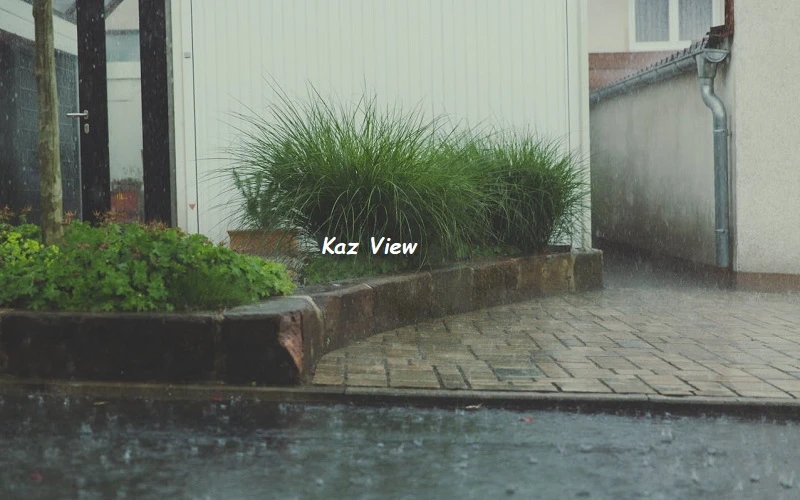
Water management is rarely discussed until there’s a problem. Gutters clogged with debris overflow and spill water down exterior walls. Over time, that water seeps into foundations or damages siding.
Seamless gutter systems reduce leak points. Downspouts directed away from the base of the home prevent pooling. Proper grading ensures that melting snow and heavy rain move away instead of sitting near walls.
These features don’t show up in listing photos. They’re not glamorous upgrades. Yet they quietly protect the larger investments like your roofing, siding, and interior finishes. When ignored, small drainage issues tend to grow into structural concerns.
Balancing Style with Strength
Exterior upgrades are often driven by appearance. A fresh color. A more modern profile. Clean lines that reflect current design trends. There’s nothing wrong with that. Curb appeal matters.
Still, style choices should be filtered through climate reality. Dark roofing may absorb more heat. Certain siding textures might hold moisture longer. Wood accents can be beautiful but require consistent maintenance in areas with heavy snow.
The goal is balance. Choose materials that fit the architectural style of the home, but also consider how they perform after repeated freeze-thaw cycles and long dry spells. A house that looks sharp in mild weather but struggles through extremes isn’t truly well-designed.
Long-Term Thinking Pays Off
Exterior renovations cost money. There’s no getting around that. It can be tempting to choose the lowest upfront bid or the simplest material option. But short-term savings often lead to long-term repairs.
When materials are selected for durability and installed correctly, maintenance becomes manageable. Instead of reacting to sudden failures, homeowners can plan for gradual updates. That shiftfrom reactive to proactive changes the way a house feels. There’s less anxiety during storms. Fewer surprises when seasons change.
Energy efficiency is also part of this equation. Better insulation and sealed systems reduce heating and cooling demand. Over several years, those savings add up. It’s not dramatic. It’s steady.
My Opinion
Homes are expected to do a lot. They shelter families from snow and wind, then from sun and heat. Harsh winters and hot summers aren’t going away. Climate swings may even grow sharper over time. A well-designed exterior doesn’t fight those seasons. It prepares for them. And when preparation is done thoughtfully, style doesn’t have to suffer. It simply becomes part of a system built to last.