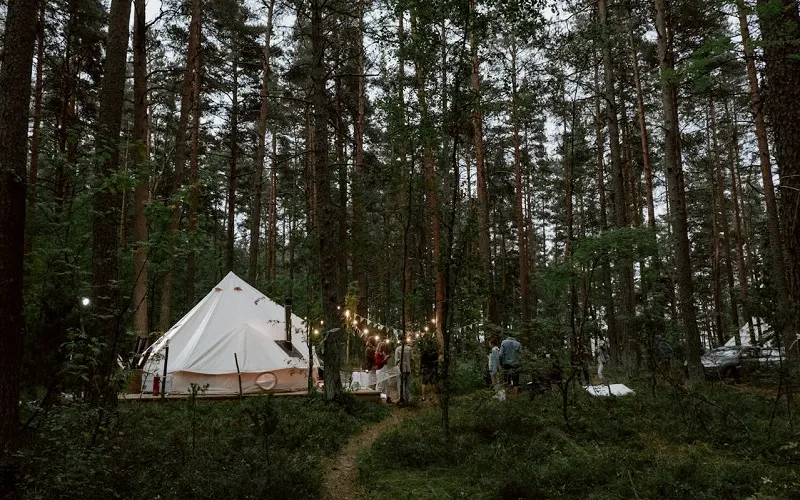
Nowadays, many travelers look for places where they can settle in and actually spend time, rather than rushing from one stop to another. A space that feels usable from the moment of arrival plays a big part in that decision. It allows people to unpack once, get comfortable, and move through their days without repeated interruptions.
Glamping has found its place within this by offering a setting that feels ready from the start. It brings together outdoor surroundings with a level of comfort that supports everyday living. Travelers can wake up, step outside, return to the same space, and continue their day without adjusting to a new environment.
Quick Setup, Easy Arrival
The first impression of a stay often decides how comfortable the rest of the trip will feel. Arriving at a location that requires effort right away can take away from the excitement of being somewhere new. Many travelers now prefer places where they can walk in, set their belongings down, and immediately begin enjoying their time. A ready-to-use setup creates a smooth start, which helps people settle in mentally and physically without dealing with unnecessary tasks.
Glamping tents offer this kind of experience through thoughtful preparation. Interiors can be arranged ahead of time with sleeping areas, lighting, and basic furnishings already in place. There is no need to assemble equipment or adjust the space to make it livable. A traveler arriving after a long drive can step inside, get comfortable, and start their stay without delay.
Private Space
A space that feels personal allows travelers to relax fully without feeling watched or surrounded by constant activity. This environment gives people the freedom to spend their time however they want, whether that involves reading, resting, or simply enjoying the quiet.
Glamping locations often place a strong focus on spacing and layout. Units are positioned with enough distance to create a natural buffer, often using trees or open land to separate each area. This setup allows guests to spend hours outdoors without interruption. A couple sitting outside in the evening or a solo traveler enjoying a quiet morning can do so without distractions.
Staying Put Longer
Constant movement during a trip can quickly become tiring. Packing, relocating, and adjusting to new surroundings each day can interrupt the overall experience. Many travelers now look for ways to stay in one place long enough to feel settled. This way, they can explore an area more naturally, returning to familiar spots and creating a sense of routine.
Glamping supports this style of travel by offering a stable base that does not require daily adjustments. Once settled in, travelers can spend several days without needing to repack or reorganize. A family staying near a wooded area might spend one day walking trails, another day relaxing outdoors, and another enjoying meals at their site.
Natural Pace
Spending time in a natural setting changes how the day unfolds. Without the constant noise and structure of busy areas, time begins to feel more open. Travelers often find themselves moving through their day without checking schedules or planning every hour. Simple activities start to fill the day in a way that feels complete without needing much structure.
Glamping places guests in environments where this kind of pace feels natural. Mornings may begin with soft light and quiet surroundings, followed by time spent outdoors without a strict plan. Even basic routines like having coffee or taking a short walk feel different in this setting.
Fewer Transitions
Frequent transitions during a trip can make it feel scattered. Moving between locations, adjusting to new spaces, and keeping track of plans can take away from the sense of being settled. Travelers who prefer longer stays often look for environments where everything happens within a single, consistent space.
Glamping offers that consistency by providing a setup where daily activities can happen without interruption. Sleeping, relaxing, and spending time outdoors all take place within the same area. A traveler can wake up, step outside, spend the day nearby, and return without needing to adjust to a different setting.
Presence Over Packed Plans
Travel habits are changing in a way that places value on how time is experienced rather than how much is covered. Many travelers are moving away from tightly packed schedules filled with back-to-back activities. A slower stay allows space to actually notice surroundings, revisit the same spots, and spend time without a fixed checklist guiding every hour.
Glamping supports this way of traveling through its structure and setting. A traveler can spend an afternoon sitting outdoors, watching the light change, or walking a nearby path without feeling like time is being wasted. There is no pressure to move quickly or cover multiple locations in a short span.
Less Planning Pressure
Planning can take up a large portion of travel energy, especially during shorter trips where every day is scheduled in advance. Booking activities, organizing routes, and managing time often leave little room for flexibility. Many travelers now prefer a stay that allows decisions to be made as the day unfolds rather than being locked into a plan.
Glamping fits well into this preference because it provides a stable environment where fewer decisions are required. A traveler does not need to map out every part of the day in advance. If the morning starts slowly, there is no disruption. If the afternoon invites exploration, options are usually nearby and easy to access.
Keeping Daily Routines
Familiar routines bring a sense of comfort, even in a new setting. Many travelers find it easier to stay longer in a place where they can carry parts of their daily habits with them. Simple actions such as having a quiet morning, preparing a basic meal, or spending time in a consistent space help create a sense of stability.
Glamping makes this possible by offering a setup that supports everyday living. The space can be used in a way that feels natural rather than temporary. A traveler can start the day with coffee outdoors, take time for personal activities, and return to the same environment in the evening. That continuity allows the stay to feel less like a short visit and more like a lived experience, which encourages people to extend their time.
Less Crowd Dependence
Crowded spaces can limit how relaxed a trip feels. Waiting in lines, navigating busy areas, and constantly being around large groups can make it harder to unwind. Many travelers now prefer environments where they can control how much interaction they have throughout the day.
Glamping offers an alternative by providing a setting where time can be spent without relying on public spaces for entertainment. A traveler can enjoy the surroundings, spend time outdoors, or simply relax within their own area.
Longer, slower getaways are gaining attention because they offer a way to experience travel without constant movement or pressure. A setting that supports comfort, privacy, and flexibility allows travelers to stay in one place and fully engage with their surroundings.