
Buying a home represents one of life’s most significant financial commitments, but the purchase price is just the beginning. While most prospective homeowners carefully calculate their mortgage payments, property taxes, and insurance premiums, numerous hidden expenses often catch new owners off guard.
Whether you’re settling into a historic neighborhood or purchasing new construction in growing communities like Georgetown, Delaware, these unexpected costs can strain budgets and create financial stress if not properly anticipated.
Understanding what lies beneath the surface of homeownership allows you to build a realistic budget that accounts for both predictable maintenance and surprise repairs.
Essential Home Systems That Demand Attention
Your home’s mechanical systems work tirelessly behind the scenes, and their failure can bring daily life to an uncomfortable halt. Water heaters typically last between eight and twelve years, depending on usage and maintenance. When these units fail, replacement becomes urgent rather than optional.
Whether you’re dealing with water heater replacement in Georgetown, DE, where hard water can accelerate mineral buildup and shorten equipment lifespan, planning ahead for this expense helps avoid panic when hot water suddenly disappears. Beyond the initial installation, these systems require periodic flushing to remove sediment buildup and annual inspections to ensure safe operation.
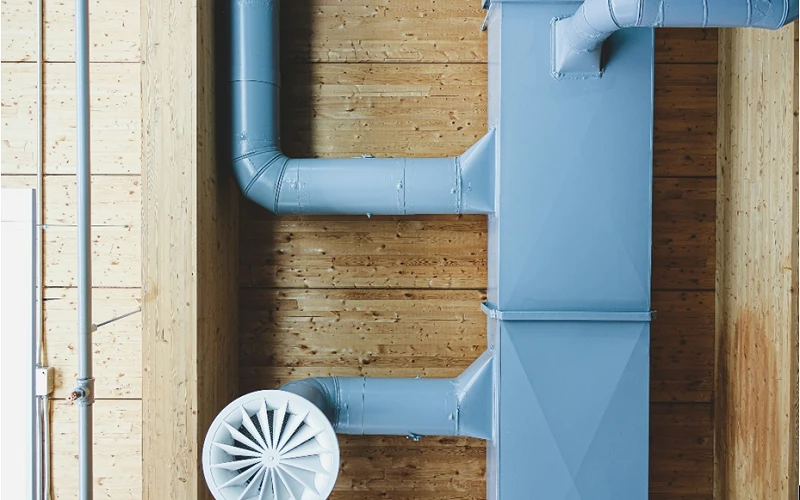
HVAC systems represent another significant expense category. Furnaces and air conditioning units require annual servicing to maintain efficiency and prevent breakdowns. Neglecting this maintenance can lead to complete system failure, requiring costly replacements. Regular filter replacements also keep systems running smoothly and maintain indoor air quality throughout the year.
The Perpetual Battle Against Nature
Landscaping and exterior maintenance create ongoing expenses that many first-time homeowners underestimate. Lawn care requires regular mowing, fertilization, weed control, and seasonal cleanup.
Professional lawn services provide weekly service during growing seasons, while those who prefer handling their own lawn care must still budget for equipment purchases and maintenance, including mowers, trimmers, blowers, and the fuel and storage space they require.
Trees add beauty and value to properties, but demand periodic attention. Professional tree trimming becomes necessary periodically, with dead or dangerous trees requiring removal entirely. Ignoring tree maintenance risks property damage from falling branches or entire trees during storms, potentially costing thousands in repairs not covered by insurance if neglect is demonstrated.
Gutters and downspouts protect your home’s foundation by directing water away from the structure. Cleaning these systems twice yearly prevents clogs that cause water to overflow and damage siding, foundations, or landscaping. Professional gutter cleaning services are available, though homeowners can tackle this task themselves with proper safety equipment and ladder skills.
Exterior painting and siding maintenance also fall into this category. Homes require fresh paint or siding repairs every several years to protect against weather damage and maintain curb appeal. Wood siding demands more frequent attention than vinyl or fiber cement, but all exterior materials eventually need care to prevent deterioration and water infiltration.
Interior Wear Demands Regular Investment
Flooring throughout your home endures constant traffic and gradually deteriorates regardless of care level. Carpet typically requires replacement every several years, while hardwood floors need refinishing periodically to maintain their beauty. Even durable tile and laminate flooring eventually crack, scratch, or show wear, requiring attention.
Paint freshens interiors and protects surfaces, but it doesn’t last forever. Interior walls typically need repainting regularly to maintain their appearance. Professional painters can handle the work, though homeowners who paint themselves still face material costs for quality paint, primer, and supplies.
Appliances represent ticking time bombs in your budget. Refrigerators, dishwashers, washing machines, and dryers all have limited lifespans. When these workhorses fail, replacement becomes necessary rather than optional. Building an appliance replacement fund helps cushion the blow when these inevitable failures occur.
Plumbing fixtures and fittings also wear out over time. Faucets develop leaks, toilets run constantly, and showerheads lose pressure. While individual repairs seem minor, these small fixes accumulate into significant expenses when addressed throughout an entire home over the years of ownership.
The Unglamorous but Essential Expenses
Pest control often becomes necessary even in well-maintained homes. Regular pest control services help keep unwanted visitors at bay throughout the year. Termite inspections and treatments represent another concern, particularly in regions where these destructive insects thrive. Annual termite inspections provide peace of mind, while treatment for active infestations can become quite expensive.
Homeowner association fees, where applicable, cover communal area maintenance and amenities but add substantial monthly expenses. Even homes without formal HOAs may face special assessments for road maintenance, snow removal, or other shared services in certain neighborhoods.
Insurance premiums extend beyond basic homeowner policies. Flood insurance becomes necessary in flood-prone areas, while umbrella liability policies provide additional protection. Homeowners in disaster-prone regions face even higher insurance costs, with hurricane, earthquake, or wildfire coverage commanding premium prices.
Building Your Financial Buffer
Smart homeowners set aside a percentage of their home’s value annually for maintenance and repairs. This formula provides a realistic cushion for both routine upkeep and unexpected emergencies—a substantial sum that many overlook when calculating homeownership affordability.
Creating separate savings accounts for different home expenses helps organize your financial preparation. Establish funds for routine maintenance, emergency repairs, and long-term replacements. This segregation prevents the temptation to raid home maintenance funds for other purposes while providing clear visibility into your preparedness for home-related expenses.
Automating monthly contributions to these dedicated accounts ensures consistent savings growth without requiring active decision-making. Even modest regular deposits accumulate over time, building a safety net that transforms potential financial crises into manageable expenses.
This disciplined approach to home maintenance budgeting separates successful long-term homeowners from those who struggle with unexpected repair costs.
Owning a home brings tremendous satisfaction and builds long-term wealth, but this investment demands ongoing financial commitment beyond the mortgage payment. By acknowledging and planning for these hidden costs, you transform from a surprised victim of unexpected expenses into a prepared homeowner who confidently maintains and protects your valuable investment.
The difference between homeownership joy and homeownership stress often comes down to realistic budgeting that accounts for the full spectrum of ownership responsibilities.