
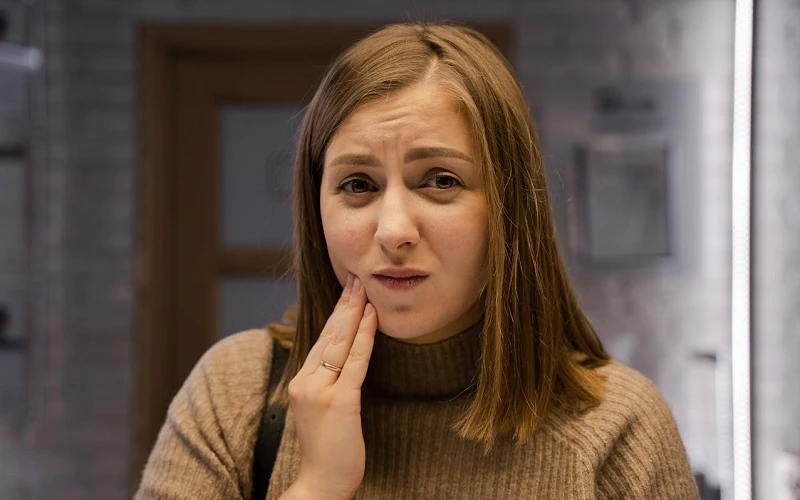
Most people notice jaw tension only after it becomes impossible to ignore. A headache shows up during dinner. The jaw clicks while chewing something soft. Teeth feel sore in the morning for no obvious reason. Somebody realizes they spent half the workday clenching their face while staring at spreadsheets or answering emails. What makes it interesting now is that these habits are no longer getting dismissed as random discomfort people simply “deal with.”
Health tracking used to focus mostly on obvious numbers like steps, calories, sleep hours, or heart rate. Now people are becoming curious about physical patterns that feel much more subtle. Facial tension, jaw pressure, unconscious clenching, neck tightness, and posture-related strain are entering wellness conversations because daily routines have changed dramatically over the last decade. Screen-heavy workdays, stress-filled schedules, remote work habits, and constant device use created physical tension patterns many adults never really noticed before.
Orthodontist Treatment Conversations
Orthodontic discussions feel different now because people are paying attention to how their jaw functions during normal life instead of looking only at photos or appearance changes. Adults increasingly notice things like uneven pressure while chewing, tightness after long workdays, jaw fatigue during stressful weeks, or tension building near the face and neck without fully realizing how often those patterns happen.
Moreover, this expanded the way orthodontist treatment gets discussed within broader wellness conversations. Many people are becoming curious about alignment and jaw movement because physical comfort matters more once repetitive strain starts affecting daily routines. Somebody working at a laptop ten hours a day may suddenly realize they clench constantly during meetings. Another person notices soreness after sleeping poorly for weeks. Jaw awareness entered mainstream wellness culture partly because adults started recognizing how many everyday habits quietly affect facial movement without drawing obvious attention immediately.
Facial Tension Monitoring Technology
Technology is starting to track things people barely noticed a few years ago. Instead of monitoring only big fitness goals, wellness tools now pay attention to tiny physical behaviors connected to stress and tension throughout the day. Facial strain became part of that conversation because repetitive pressure patterns often happen unconsciously for hours at a time.
Some newer wellness tools and tracking systems now focus on muscle tension, nighttime grinding habits, stress-related movement, and facial pressure patterns because those behaviors often overlap with posture, sleep quality, and work habits. The interesting part is not really the technology itself. It is the fact that people became curious enough about jaw tension to want measurable insight into it.
Wearable Health Devices and Jaw Activity
Wearable health devices are slowly expanding into stress behavior tracking. Heart rate variability, breathing patterns, sleep interruptions, and muscle tension all connect to how the body physically responds during long stressful days. Jaw activity naturally entered that conversation because clenching and facial tightness often happen automatically under pressure.
Most adults do not even realize how often their jaw stays tense until they intentionally start paying attention to it. Somebody may spend an entire afternoon concentrating at work with their teeth pressed together the whole time. Others tighten facial muscles while driving, answering emails, or scrolling through stressful news feeds late at night. Wearable wellness culture is pushing people to notice those physical habits earlier because repetitive tension tends to build quietly instead of arriving all at once dramatically.
Awareness of Facial and Jaw Stress Signals
People are becoming more aware that stress does not always look emotional on the surface. Sometimes it looks physical first. Tight shoulders, stiff necks, sore jaws, headaches behind the eyes, facial pressure, and clenching habits often appear long before somebody fully acknowledges feeling overwhelmed mentally.
This growing awareness changed everyday wellness conversations quite a bit. Adults are paying closer attention to what their bodies are doing automatically during busy routines instead of assuming discomfort appears randomly. Jaw tension became one of the more noticeable examples because it often sits right at the intersection of stress, posture, screen use, sleep quality, and concentration habits.
Facial Tension and Stress Management
Facial tension is increasingly getting grouped into broader stress management conversations because people are realizing mental stress often creates repetitive physical habits without much warning. Some individuals pace. Others fidget. Many unknowingly tighten their jaw muscles repeatedly throughout the day.
This connection made facial awareness feel less cosmetic and much more practical. Relaxation routines, stretching habits, breathing exercises, posture adjustments, and sleep improvements now often overlap with conversations surrounding jaw comfort, too. The goal is not turning people into hyper obsessive health trackers monitoring every tiny movement constantly. It is helping people recognize physical tension patterns before discomfort quietly becomes part of normal daily life without them realizing it.
Screen Heavy Workday Strain
A lot of jaw and facial tension patterns became more noticeable once workdays moved heavily onto screens. People spend hours staring forward without moving much, concentrating intensely while reading messages, sitting through virtual meetings, or switching between tabs nonstop. During that kind of focus, the body often tightens automatically without drawing much attention to it.
Many adults now realize they clench their jaw hardest during completely ordinary moments like answering emails, editing documents, or rushing through deadlines. Long screen sessions can create a chain reaction where posture shifts forward, shoulders tighten, and facial muscles stay engaged far longer than they should. The discomfort often builds slowly enough that people adapt to it instead of noticing it immediately.
Expanding Wellness Tracking Culture
Wellness tracking is becoming much more detailed than it used to be. Early health apps mostly cared about obvious activity like running distance or calorie burn. Now wellness culture pays attention to breathing habits, stress patterns, recovery quality, focus levels, and even subtle muscle behaviors connected to everyday routines.
Jaw and facial movement naturally entered that space because they reflect stress in surprisingly visible ways. Somebody may hit all their fitness goals while still carrying constant tension around the jaw and face daily. Modern wellness culture increasingly recognizes that physical comfort is shaped by small repetitive habits, not just workouts or nutrition plans alone.
Jaw Awareness and Sleep Quality
Sleep conversations started overlapping with jaw awareness because many adults notice facial discomfort most clearly after waking up. Sore teeth, tight cheeks, tension headaches, or jaw stiffness in the morning often raise questions about what the body is doing overnight without conscious control.
That connection pushed more attention toward nighttime clenching and repetitive sleep-related jaw movement habits. Sleep quality discussions now sometimes include facial relaxation, sleeping posture, stress reduction, and jaw comfort because overnight tension can affect how rested somebody feels the next day. The interesting part is that many people never realized how active their jaw muscles remained during sleep until the discomfort became consistent enough to interrupt daily comfort.
Modern health tracking is expanding into jaw and facial movement awareness because people are becoming more attentive to the smaller physical habits shaping everyday comfort. Screen-heavy routines, stress-related tension, sleep patterns, posture changes, and unconscious facial movement all contribute to a broader understanding of how the body responds throughout ordinary life.