
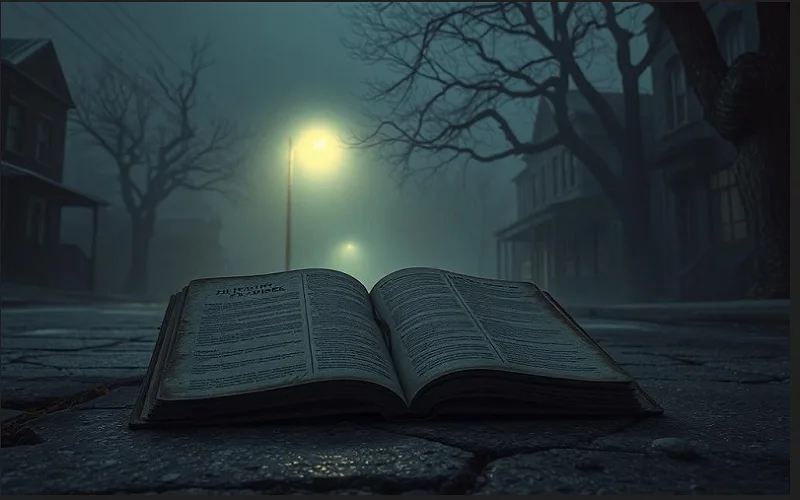
Silent Hill remains one of the most influential horror game series ever created. Known for its oppressive atmosphere, psychological depth, and unsettling storytelling, the franchise has left a lasting mark on the survival horror genre since its debut in 1999.
This guide covers the series’ background, core gameplay systems, survival strategies, and the elements that make Silent Hill unique — whether you’re a newcomer or returning to the foggy town.
The Legacy of Silent Hill
Developed by Konami’s Team Silent, the original Silent Hill released in 1999 on the PlayStation. Directed by Keiichiro Toyama, the game stood out by focusing on psychological horror rather than relying solely on jump scares or action. Thick fog, limited visibility, disturbing sound design, and deeply personal stories became hallmarks of the series.
Over the years, the franchise expanded with sequels that introduced new protagonists, refined mechanics, and different interpretations of the town’s reality. While the quality of later entries has varied, the core identity of Silent Hill — a place that reflects the inner fears and guilt of those who enter it — has remained consistent.
Most Silent Hill games carry an M (Mature) rating from the ESRB due to strong violence, blood, and mature psychological themes. Players should be prepared for dark, often disturbing content.
Essential Survival Tips for New Players
Silent Hill is deliberately oppressive. Resources are limited, combat is often clumsy by design, and the environment itself feels hostile. Success depends more on awareness and preparation than on raw combat skill.
Key survival advice:
- Conserve health items and ammunition. Not every enemy needs to be fought.
- Learn the map layout early. Getting lost in the fog is easy and dangerous.
- Listen carefully. Audio cues are often more important than what you can see.
- Explore thoroughly but cautiously. Useful items are frequently hidden in side rooms or less obvious areas.
- Save regularly when the opportunity arises.
Core Gameplay Systems
Weapon and Resource Management Weapons range from basic melee tools to firearms. Melee combat is slow and risky, while guns are powerful but limited by scarce ammunition. Always prioritize survival over clearing every threat.
Radio and Flashlight The radio is one of the series’ most iconic tools. It emits static when monsters are nearby, giving players an early warning. The flashlight is essential in dark areas but can also attract attention. Managing when to use (or turn off) these tools is part of the tension.
Combat Philosophy Silent Hill generally rewards avoidance and smart positioning over aggressive play. Running, using the environment, and knowing when to fight are often better strategies than standing your ground.
Understanding the World of Silent Hill
The town of Silent Hill is more than a backdrop. Its history, shifting realities, and symbolic design are central to the experience.
The Fog World and the Otherworld Players typically move between the “normal” fog-covered town and the nightmarish Otherworld — a rusted, bloody, industrial version of reality that reflects the psychological state of the protagonist. These transitions are some of the most memorable moments in the series.
Symbolism and Atmosphere Monsters, environments, and even everyday objects often carry symbolic meaning tied to the characters’ traumas, guilt, or fears. The design of creatures is rarely random; many represent specific psychological burdens.
Sound Design Akira Yamaoka’s soundtracks and the series’ industrial, dissonant audio work are critical to the atmosphere. Silence, sudden static, distant sirens, and distorted ambient noise all contribute to the constant sense of unease.
Notable Locations
Lakeside Amusement Park Appearing in several entries, the amusement park is a strong example of Silent Hill’s ability to twist something once joyful into something deeply unsettling. Abandoned rides, eerie music, and isolation create a memorable and disturbing setting.
The Otherworld This distorted version of the town is where the series’ most intense psychological and visual horror often occurs. Walls of rust and flesh, oppressive architecture, and aggressive creatures define these sequences.
Approaching the Puzzles
Silent Hill is known for environmental and logic-based puzzles that require observation and item combination rather than pure action.
Helpful approaches include:
- Carefully reading every document and note you find.
- Examining your surroundings for visual clues, symbols, or patterns.
- Experimenting with inventory items in context.
- Paying attention to environmental details that may seem decorative at first.
Puzzle difficulty can vary depending on the game and the difficulty setting chosen. Higher difficulties often make clues less obvious or resources scarcer.
Why Silent Hill Still Matters
The lasting appeal of Silent Hill comes from its focus on psychological horror over pure shock value. The best entries in the series explore guilt, grief, identity, and the darkness within ordinary people. The fog, the radio static, the shifting realities, and the deeply personal stories create an experience that feels unique even decades later.
Whether you are playing the original games, the remakes, or later entries, approaching Silent Hill with patience and attention to detail will reward you with one of the most atmospheric and thought-provoking horror experiences in gaming.