
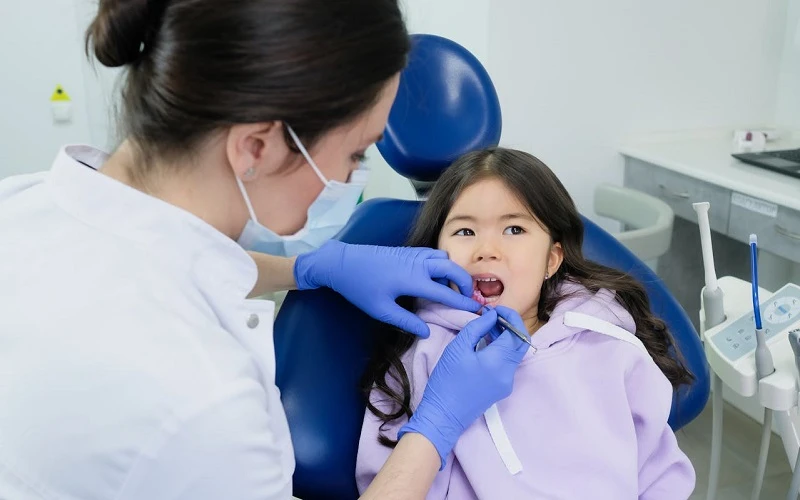
Many parents in Norwich, CT assume that braces become necessary only after all permanent teeth come in. In reality, orthodontic issues often begin much earlier. Small changes in the way a child chews, breathes, speaks, or loses baby teeth can point to developing bite problems long before crooked teeth become obvious. These signs are easy to miss because they usually appear during normal daily routines.
Early attention matters because children’s jaws are still growing. That gives orthodontists more flexibility to guide tooth and jaw development before problems become harder to fix. Parents do not need to panic over every small change, but they should know what deserves a closer look. Understanding these early signs can help families make informed decisions and avoid more complicated treatment later.
Hiding Smiles in Photos and Social Situations
Children often become aware of their appearance earlier than parents expect. Some kids avoid smiling in photos, cover their mouths while laughing, or stay unusually quiet in group settings because they feel embarrassed about their teeth. These emotional signs deserve attention alongside physical symptoms.
Confidence issues connected to dental appearance can affect school participation and social comfort. Parents may first notice these changes during sports, school events, or family gatherings. Children do not always openly admit they feel self-conscious, especially during the preteen years.
Many families choose to visit an orthodontist Norwich CT residents trust after noticing these emotional changes along with bite or alignment concerns. Early conversations about treatment can reassure children and help them feel involved in the process. Supportive guidance often improves confidence long before treatment even begins.
When Teeth Start Competing for Space
One of the earliest signs parents notice is crowding in the front teeth. Sometimes permanent teeth begin coming in behind baby teeth, or nearby teeth overlap before all adult teeth erupt. This usually means the jaw does not have enough room to support incoming teeth comfortably. Many parents think this stage will correct itself with time, but crowding often becomes more noticeable as children grow.
Children with limited space may also struggle to floss properly because their teeth sit too tightly together. Food can become trapped more easily, which raises the risk of cavities and gum irritation. Early orthodontic evaluations help determine whether growth guidance or space management could help. In some cases, treatment during childhood reduces the need for more extensive correction during the teen years.
Mouth Breathing That Becomes a Habit
Children who constantly breathe through their mouths may develop orthodontic problems over time. Mouth breathing affects tongue posture and jaw positioning, especially during sleep. As children grow, these habits can influence the shape of the upper jaw and affect how teeth align.
Parents often notice mouth breathing during allergy season, but year-round breathing through the mouth deserves attention. Some children sleep with open mouths, wake up with dry lips, snore lightly, or seem restless at night. Others struggle to keep their lips comfortably closed during the day. These patterns can place strain on facial muscles and affect bite development over time.
Orthodontists often work alongside pediatricians or ENT specialists when breathing concerns appear connected to airway issues. Identifying the cause early can improve both oral development and overall comfort.
Nighttime Teeth Grinding That Keeps Returning
Teeth grinding is common in younger children, but persistent grinding should not be ignored. Some children grind loudly during sleep while others clench their jaws quietly. Parents may notice worn tooth edges, morning jaw soreness, headaches, or complaints about facial tension after waking up.
Grinding sometimes connects to stress or sleep habits, but bite alignment can also play a role. When teeth do not fit together properly, jaw muscles may work harder during sleep. Over time, this can create extra pressure on developing teeth and joints.
Children usually do not realize they grind their teeth unless someone tells them. That makes parental observation important. If grinding continues for months or seems aggressive, an orthodontic evaluation can help determine whether the child’s bite or jaw alignment contributes to the problem.
Speech Changes That Deserve Attention
Some orthodontic problems affect the way children pronounce certain sounds. Parents may notice trouble with “s,” “sh,” or “th” sounds, especially when teeth do not line up correctly or when there are large gaps between teeth. Jaw positioning can also influence tongue movement during speech. These issues sometimes become more noticeable once children start school and communicate more frequently with teachers and classmates.
Speech concerns do not always mean a child needs braces, but they should not be dismissed automatically. Children may repeat sounds, speak less clearly, or feel frustrated when others ask them to repeat words often. Orthodontists sometimes work together with speech therapists to understand whether tooth alignment contributes to the problem. Early evaluation helps families understand what is affecting speech before habits become harder to change.
Why Early Evaluations Make Treatment Easier
Parents sometimes wait until all permanent teeth appear before scheduling an orthodontic consultation. In many cases, earlier evaluations give specialists more flexibility to guide jaw growth and tooth positioning gradually. Early visits do not always lead to immediate braces. Sometimes orthodontists simply monitor development over time.
Growth patterns become easier to manage while children’s jaws are still developing. Certain bite problems respond better during childhood than during the late teen years. Early care may shorten future treatment or reduce the complexity of correction later.
Orthodontic evaluations also help parents understand what is normal and what deserves monitoring. Many concerns look small in the beginning, but patterns become clearer through regular observation. Families benefit from having a long-term plan instead of reacting only after alignment problems become severe.
Small orthodontic problems rarely appear all at once. Parents usually notice little changes over time, such as crowded teeth, mouth breathing, grinding, chewing difficulties, or speech changes. These signs may seem minor individually, but together they can reveal developing bite or jaw concerns that deserve attention.
Early orthodontic evaluations help families understand what is happening before problems become harder to treat. Children’s mouths continue growing throughout childhood, which gives orthodontists opportunities to guide development more effectively. Some children need treatment early, while others simply need monitoring as they grow.
Parents do not need to wait to see severely crooked teeth before seeking advice. Paying attention to these early signs can help children avoid discomfort, improve oral health, and feel more confident as they grow older.