Ever notice how your home feels smaller every time a backpack lands on the floor? Growing families outgrow their space quickly as kids, remote work and new hobbies compete for limited storage. With housing prices high and more people home during the day, moving is not always realistic. Instead, many households are rethinking how to make their current space work better.
Space optimization is no longer just a design buzzword. It is a survival skill. It affects stress levels, productivity – and even family relationships. When rooms function well, daily life feels smoother. When they do not, tension builds over simple things like where to put shoes.
In this blog, we will share practical and realistic ways to make your existing space work harder, feel larger and support a busy household without requiring a move.
Rethink How Each Room Is Used
Many homes still follow layouts from decades ago. Formal dining rooms sit unused most of the year. Guest rooms hold boxes instead of guests. Growing families cannot afford wasted square footage.
Start by asking a simple question. Does each room serve your current life? If the answer is no, change it. A dining room can become a homework zone with a large shared table. A guest room can double as a home office with a fold out bed.
Open floor plans once symbolized modern living. Now they sometimes create noise chaos. Consider partial dividers like bookcases. They define areas without building walls. This creates visual order. It also gives each family member a sense of personal territory.
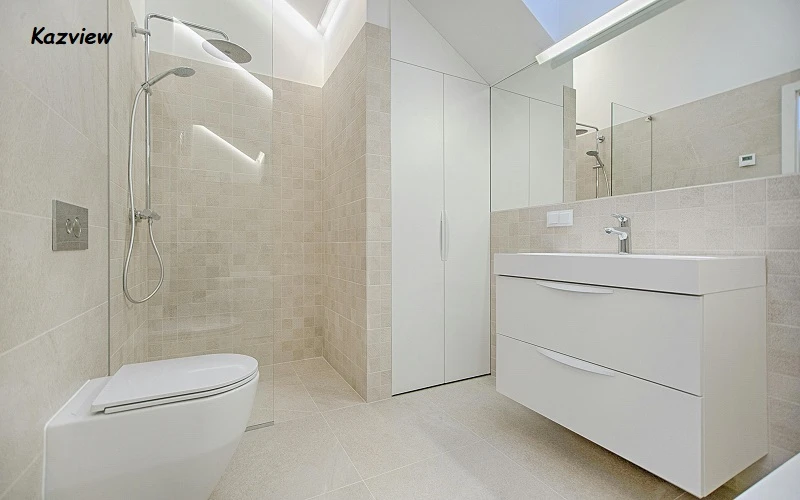
If a bathroom feels cramped, think beyond surface changes. A well-reviewed bathroom remodeling company can help rework layout and storage. Adding built-in shelves or shifting a vanity may free up needed space. Small structural changes often deliver bigger results than cosmetic updates.
Flexibility should guide every decision. Choose furniture that can move or adapt. A bench with storage underneath works harder than a decorative chair. A desk that folds into a cabinet saves precious floor space.
Make Vertical Space Your Best Friend
Most households focus on floors. They forget about walls. Vertical space often sits empty while clutter spreads across tables and counters.
Install shelves above door frames. Use tall bookcases instead of wide ones. Add wall hooks for backpacks and jackets. These changes are simple and affordable. They also clear walking paths.
Think of a small closet. When shelves are stacked higher, more items fit. The same logic applies to entire rooms. Vertical storage pulls items upward. This draws the eye up as well. Rooms feel taller and more open.
In children’s bedrooms, loft beds can create play or study zones underneath. In kitchens, hanging racks for pots free up cabinets. Also, in garages, ceiling mounted storage keeps seasonal items out of the way. The key is accessibility. Store daily items at eye level. Place rarely used items higher. Organization systems should match habits. If putting something away feels difficult, it will end up on the nearest surface.
Declutter With Purpose, Not Guilt
Decluttering advice often feels preachy. It can sound like a competition to own less. Growing households do not need judgment. They need strategy.
Start small by focusing on one drawer at a time. Take everything out and sort it with purpose. Keep the items you use each week within easy reach. Store anything used monthly in a less accessible spot. Donate or discard items that have not been touched in a year.
Clutter often hides in plain sight. Kitchen counters collect mail. Entryways collect shoes. Create drop zones. A small tray for keys. A basket for mail. A rack for shoes. Containment prevents spread. There is humor in how quickly stuff multiplies: toys seem to reproduce overnight and school papers pile up like snowdrifts. Accept that growth happens and build systems that absorb it.
Design for Shared Living
More people at home means more overlapping routines. Mornings can feel like a relay race. One person needs the shower. Another needs the mirror. Someone else needs the kitchen counter.
Create zones within shared rooms. In bathrooms, add double sinks if space allows. And in kitchens, designate a prep area separate from cooking space. In living rooms, set up a small reading corner away from the television.
Noise management matters too. Soft rugs and curtains absorb sound – this reduces echo in busy households. Quiet corners allow focus for homework or remote meetings. Storage should reflect shared needs. Label bins for each family member. Give everyone a defined spot for personal items. When ownership is clear, responsibility increases.
Choose Multi-functional Furniture
Furniture should earn its place. In smaller homes, every piece must justify its footprint.
Consider a sofa bed for overnight guests. Use ottomans with hidden compartments. Choose extendable dining tables that adjust for gatherings. These pieces adapt to changing needs.
In children’s rooms, desks that grow with height adjustments prevent future replacement. In living rooms, nesting tables offer extra surface space when needed. When not in use, they tuck away neatly.
Even simple swaps make a difference. Replace bulky entertainment centers with wall mounted media units. Swap large coffee tables for slimmer designs with shelving. Flexibility equals longevity. As households evolve, adaptable furniture keeps pace. It also reduces the urge to renovate constantly.
Build Habits That Protect Space
Optimization is not just about design. It is about behavior. Even the smartest layout fails without supportive habits. Create a nightly reset routine. Spend 10 minutes returning items to their spots. Involve the whole family. Make it predictable.
Teach children to manage their own storage areas. Clear bins help them see contents. Labels reduce confusion. When systems are simple, compliance improves.
The broader trend toward mindful living supports these habits. Many families value experiences over excess. Organized spaces reflect that priority.
Growing households bring noise, laughter and movement. Space optimization does not silence that energy. It channels it. With thoughtful layout changes, vertical storage, shared zones and smart furniture, homes can support expansion without feeling overwhelmed.
The goal is not perfection – it is function. When each room serves real needs, the entire household benefits. Daily routines become smoother. Tension fades. The home feels like it is growing with the family instead of shrinking against it.
Take a fresh look at your rooms. Ask what works and what does not. Then act. Small changes today can transform how your home feels tomorrow.