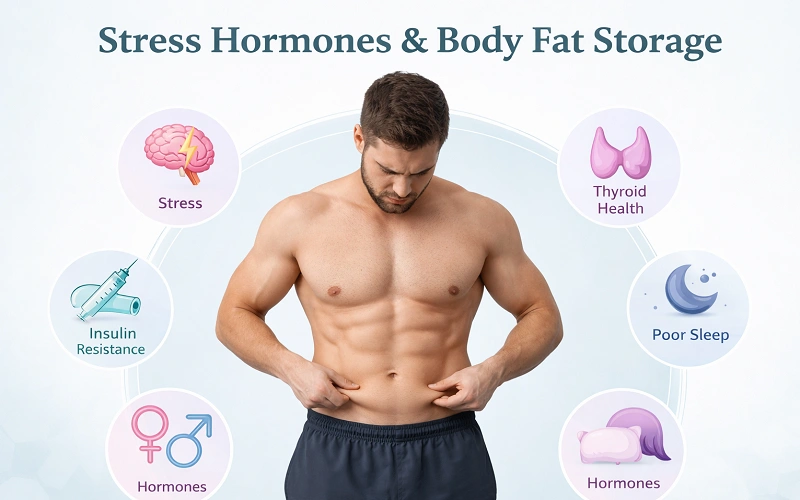
Many people eat well, exercise regularly, and still struggle to lose stubborn fat. This experience can feel frustrating, especially when common advice suggests that discipline with diet and workouts should solve the problem. In reality, the body does not lose fat evenly. Biological factors often influence where fat is stored and how quickly it responds to lifestyle changes.
Stress and hormones play a large role in this process. When the body experiences ongoing stress, it releases hormones that influence appetite, metabolism, and fat storage. These hormonal shifts can cause the body to hold onto fat around the abdomen, hips, or thighs, even when someone is following healthy habits.Recognizing these influences allows individuals to focus on both internal balance and external body goals more practically and compassionately.
The Cortisol Connection: Why Stress Makes Certain Fat Harder to Lose
Cortisol is the body’s main stress hormone. In healthy amounts, it helps regulate energy levels and keeps the body alert during challenging situations. Problems begin when stress becomes constant. When this happens, cortisol levels remain elevated for long periods, signaling the body to store energy as fat.
Because of this hormonal response, even people who follow healthy habits may notice that certain areas remain difficult to change. Stress-related fat tends to respond more slowly to traditional weight loss methods such as diet and exercise. As a result, some individuals choose to combine lifestyle improvements with targeted solutions that address specific fat deposits, such as body sculpting treatments, to refine stubborn areas.
Clinics like Keystone Compounding Pharmacy’s wellness spa offer services designed to support this process. Their Slimsage treatment focuses on stimulating fat metabolism, improving circulation, and supporting the body’s natural detox pathways, all while helping regulate the nervous system.
Insulin Resistance and Midsection Weight Gain
Insulin helps move glucose from the bloodstream into the body’s cells so it can be used for energy. When the body functions normally, insulin keeps blood sugar levels stable and ensures cells receive the fuel they need. However, when cells stop responding efficiently to insulin, the body compensates by producing more of it. This condition, known as insulin resistance, often prompts the body to store excess fat around the midsection.
Several lifestyle and biological factors can contribute to insulin resistance. Chronic stress increases cortisol levels, which can interfere with insulin’s action in the body. Poor sleep habits can also disrupt blood sugar regulation and increase cravings for sugary or processed foods.
Hormonal Shifts: Estrogen and Progesterone’s Role in Fat Distribution
Estrogen and progesterone influence how and where the body naturally stores fat. During reproductive years, estrogen typically encourages fat storage around the hips and thighs. This pattern is a normal biological response and has historically supported reproductive health and energy storage. For many women, these fat distribution patterns remain relatively stable during early adulthood.
However, hormone levels change throughout life, and these shifts can influence body composition. Fluctuations during menstrual cycles, pregnancy, and menopause often alter how the body stores and uses fat. As estrogen levels decline, especially during menopause, fat distribution may shift toward the abdomen. Understanding how hormonal transitions affect fat storage helps explain why body composition may evolve and why weight management strategies sometimes need to adjust with age.
Sleep Deprivation as a Hormonal Disruptor
Sleep is one of the most important regulators of hormonal health. When the body does not get enough rest, cortisol levels rise, and the balance between hunger hormones shifts. Ghrelin, which signals hunger, increases while leptin, the hormone that signals fullness, decreases. This combination often leads to stronger cravings and a higher overall calorie intake.
Poor sleep also affects how the body processes energy. Fatigue reduces motivation for physical activity and slows metabolic efficiency. Over time, these changes can contribute to increased fat storage, especially around the midsection. Improving sleep consistency and quality can help restore healthier hormonal signaling.
Thyroid Health and Metabolic Slowdown
The thyroid gland plays a central role in regulating metabolism. It produces hormones that control how quickly the body converts food into usable energy. When thyroid activity slows, metabolism can decrease, which makes it easier for the body to store fat and harder to burn calories efficiently.
Symptoms of reduced thyroid function may include fatigue, sensitivity to cold, and gradual weight gain. While thyroid imbalances require medical evaluation, lifestyle habits also matter. Adequate nutrition, regular physical activity, and proper sleep all support healthy metabolic function and overall hormonal balance.
The Psychological Cycle: Emotional Eating and Comfort Cravings
Stress influences behavior as much as biology. During emotionally demanding periods, the brain often seeks foods that trigger quick pleasure responses. Sugar and highly processed foods stimulate dopamine release, which can temporarily improve mood and reduce feelings of stress.
However, this pattern can easily become repetitive. When emotional eating becomes a regular coping strategy, it may lead to excess calorie intake and reinforce unhealthy habits. Developing alternative stress responses, such as movement, social support, or mindfulness practices, can help break this cycle and encourage healthier long-term choices.
Lifestyle Interventions: Supporting Hormonal Balance Naturally
Reducing chronic stress is one of the most effective ways to support hormonal health. Activities such as walking, meditation, yoga, and breathing exercises help calm the nervous system and lower cortisol levels. These habits can improve both emotional well-being and metabolic balance.
Nutrition also plays a key role. Meals built around whole foods, fiber, healthy fats, and lean protein support stable blood sugar and reduce hormonal fluctuations. When combined with consistent sleep and regular physical activity, these lifestyle practices create an environment where the body can regulate fat storage more effectively.
A Balanced Approach to Hormones and Body Health
Stress hormones, sleep quality, metabolic signals, and emotional habits all influence how the body stores fat. Understanding these factors helps explain why certain areas remain resistant even when someone follows a healthy lifestyle. Weight management becomes easier to approach when biological influences are recognized rather than ignored.
Supporting hormonal balance through stress reduction, sleep, nutrition, and movement creates a strong foundation for long-term wellness. A patient-informed approach allows people to focus on overall health while gradually improving body composition sustainably.